

-
 $0 Callout. Fast Response
No hidden fees. On-site in 90 minutes in Aspendale.
-
 Premium Roofing Materials Only
Top-quality Colorbond, terracotta, and more
-
 12-Year Workmanship Guarantee
Long-lasting results backed by a decade’s promise
-
 35+ Years Roofing Experience
Trusted experts delivering quality roofing since 1999

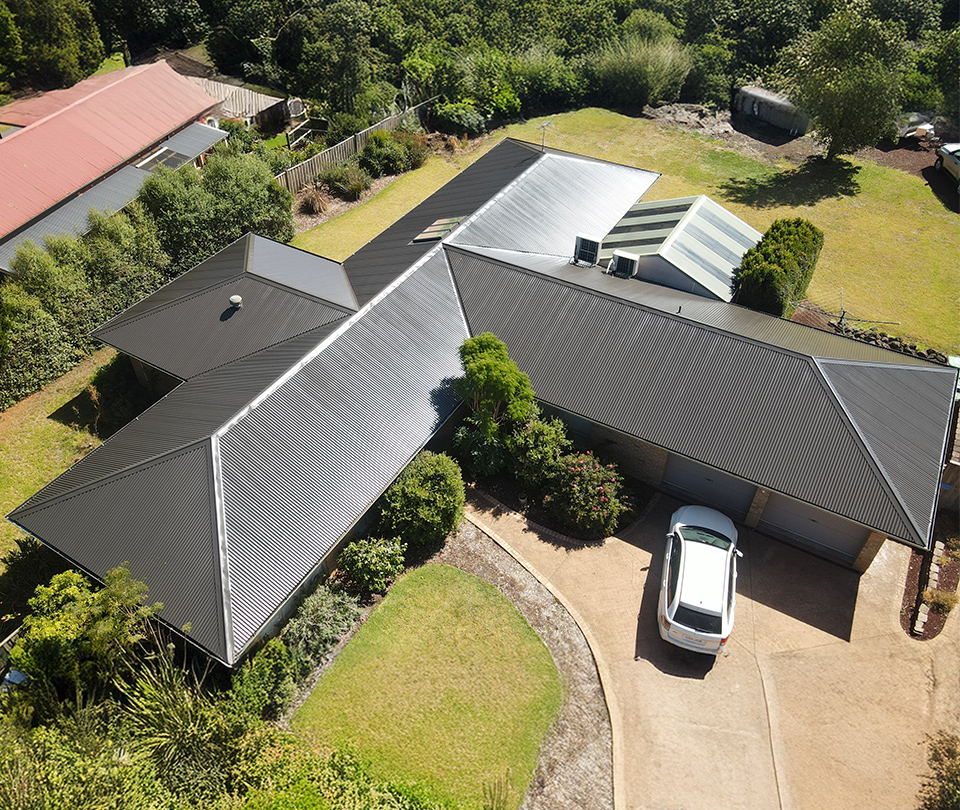
Roof Restoration Aspendale: Repairs and Painting That Start Under the Ridge Caps
Picking the colour is the easy part of an Aspendale roof restoration. What sits under it decides whether the colour lasts, and on the cement tile roofs along this stretch of Port Phillip Bay that means the bedding and pointing beneath the ridge caps. New Ridge Roofing has been re-bedding and recoating roofs like these since 1999. Ring 0439 931 138 and a qualified roof tiler will lift a cap and show you the state of the mortar, at no callout fee.
Roof Repairs Aspendale
Sea air reaches the steel on an Aspendale roof long before it touches the tiles. Valley irons and flashings corrode from inside the fold where nothing shows, and a valley that has rusted or filled with debris pushes water sideways under the tiles instead of into the gutter, so valleys are worth checking first here.
A valley is a folded steel channel laid into the join where two roof planes meet, taking every drop that lands on either plane. Salt-laden air keeps that fold damp, so corrosion starts on the face nobody can inspect from a ladder, and by the time rust shows through the section has been thin for a while. Leaf litter and grit narrow the channel until water backs up and runs in under the tiles either side.

The rest of the local list is short. The tiled homes throw up cracked, slipped and missing tiles, and ridge bedding gone soft enough to let water past after a storm, since it is wind and driven rain that do that work here rather than sun alone. On the metal ones it is rusted sheet and perished flashing, because fixings and laps hold moisture where the open face of a sheet does not.
The order matters as much as the list. Valleys and gutters are cleared and read first, because nothing else can be assessed honestly while water is still being diverted. A valley corroded through is replaced rather than patched, loose ridge caps are re-bedded and repointed rather than smeared over, and broken tiles come out individually and are matched to what is up there.
The honest test is whether the faults are localised or general. Where a valley, a flashing and a handful of tiles are the whole story, book it as a roof repair rather than paying for a coating the tiles did not need yet. Where the ridge line has gone soft along its whole length and the tile surface is porous everywhere, a repair is holding back a job that has already arrived.
Roof Painting Aspendale
Paint is the last step on an Aspendale roof and the one that fails first when the steps before it are rushed. Cement tile that has lost its factory surface is porous, so it draws the coating in unevenly and lets it lift again. Sealing the tile first is what turns a repaint into something that puts life back into the tile.
A cement tile leaves the factory with a coloured skin, and that skin is the waterproof part; the body underneath is dense but absorbent. Once sun and salt-laden air have worn the skin away, the body takes up water and holds it. Spray colour onto that and the tile pulls the wet film into itself, so the coat goes on thin over some tiles and proud on others, and moisture travelling out afterwards pushes at the film until it releases. A sealer closes the surface first so the colour coats sit on top as one continuous film.
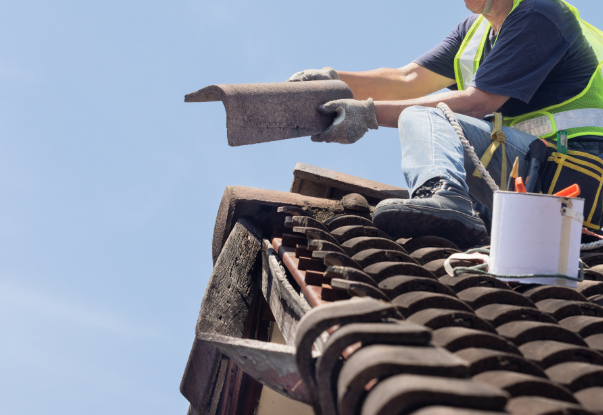
Nothing bonds to living growth either. Moss and lichen have to be off completely first, and lichen grips the tile face rather than sitting on it, so taking it off is slow work. The roof then has to dry before anything is sealed, and drying time is the difference between a finish that holds and one paid for twice.
Then the exposure decides the system, because sun off the water and salt in the air are harder on a finish here than a few suburbs inland. Ultraviolet attacks the binder holding the pigment, which turns a dark roof chalky, while salt works on anything steel in the same plane, so valleys, flashings and fixings get assessed before a colour is ordered. The work is specified as a system rather than a coat: sealer into the prepared tile, then colour coats built up for genuine film thickness. Which coating suits a roof this exposed is covered under roof painting.
Bedding and Pointing Are Two Different Jobs
Almost everyone treats them as one thing, and the difference is where most of the failures sit.
The bedding is the mortar bed the ridge cap sits on. It holds the cap in place and sets the line of the ridge, and once a cap moves nothing above it is watertight.
The pointing is the finish over that joint. Traditional cement pointing is rigid, so it cracks as the roof moves and the bedding underneath starts taking water. Flexible pointing moves with the roof instead.
So repointing over failed bedding is the shortcut worth refusing. Done properly the caps come off, the old bedding is chipped out and relaid, the caps are reset to a straight line and flexible pointing goes over the top.
Cement Tile on the Bay Strip
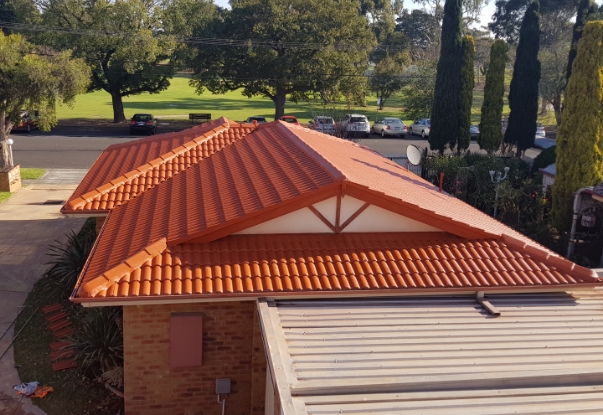
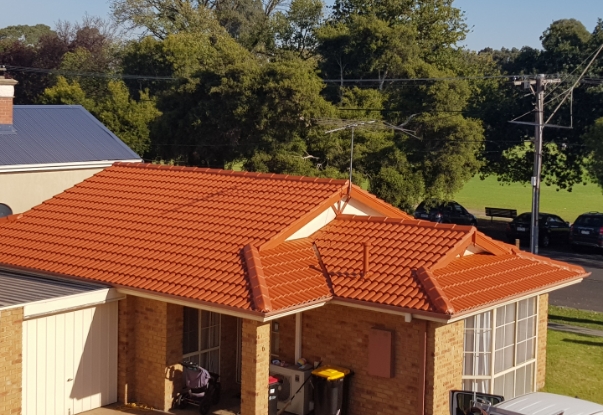
The dominant roof on these streets is cement tile, and it ages in a specific way. The coloured factory surface has a working life, and sun off the water and sea breezes shorten it here.
After enough summers the tile underneath is bare and porous, which is why growth keeps returning between cleans. That does not mean it has failed: cement tile that is whole, on a sound frame, takes a new surface perfectly well, but a wash alone puts nothing back.
New Ridge Roofing, and the Work Under the Ridge Caps
Lifting a cap takes two minutes and settles an argument, which is why the assessment here starts at the ridge rather than the colour chart. New Ridge Roofing is Dean Manning’s family business, trading since 1999, with 5000+ jobs completed across Melbourne’s south-eastern suburbs, and everyone who goes up on the roof is a qualified roof tiler. Full credentials and the restoration sequence are on the roof restoration service page.
Family business, trading since
Jobs completed across Melbourne's south-east
Google rating from 293 reviews
Year workmanship guarantee
Book the Look, Not the Job
Ring 0439 931 138 or ask for a free quote through the site. The aim is a qualified roof tiler at the property within 90 minutes, at a $0 Callout Fee, and the person assessing the roof is one of the people who will do the work.
The quote comes back written and itemised, with no obligation, and what we quote is what you pay. It can be staged, so anything letting water in is dealt with now and the colour booked for settled weather. Completed work carries a 12-Year Workmanship Guarantee, with a 10 Years Satisfaction Guarantee behind it.

Nothing to pay whether you proceed or not

A qualified roof tiler, not a sales rep

What we quote is what you pay

Ridge now, colour when the weather settles
Choosing a Colour That Holds Near the Water
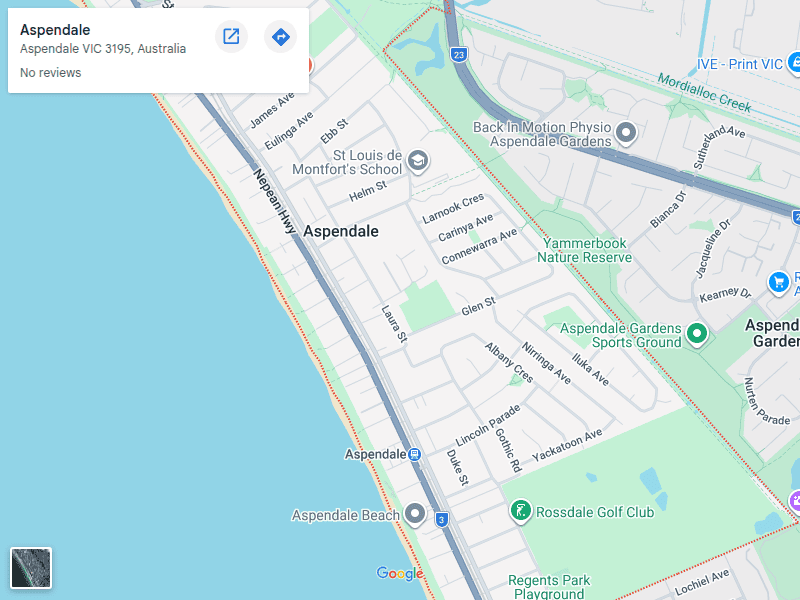
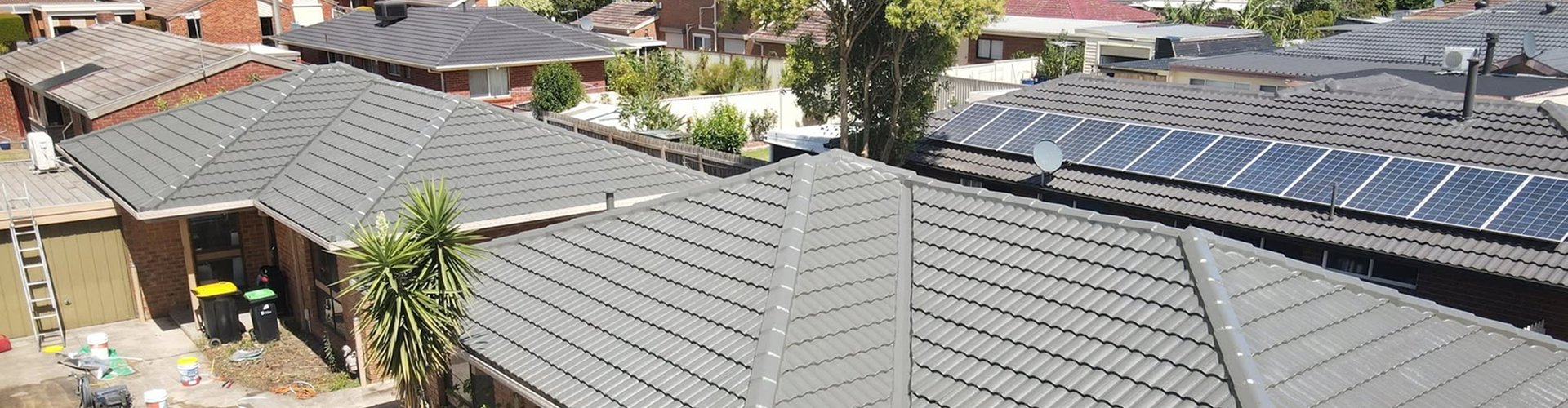
Greys and charcoals are what most people around here land on, and Shale Grey and Monument turn up again and again: they sit well against weatherboard and render, and read as current rather than dated.
Soft mid grey. Forgiving on preparation and batch variation.
Deep charcoal. Sharp, but shows chalking and patchy prep more plainly.
A colour behaves differently across a whole roof than on a sample chip, because pitch, sun angle and tile profile change how it reads from the street, and darker charcoals show chalking and patchy preparation more plainly than mid greys do. There is a colour visualiser on the site if you want to see the options on a roof rather than a chip.
Will Restoring It Actually Fix Anything?
Worth asking, especially if the roof is being done to look good rather than because it leaks.
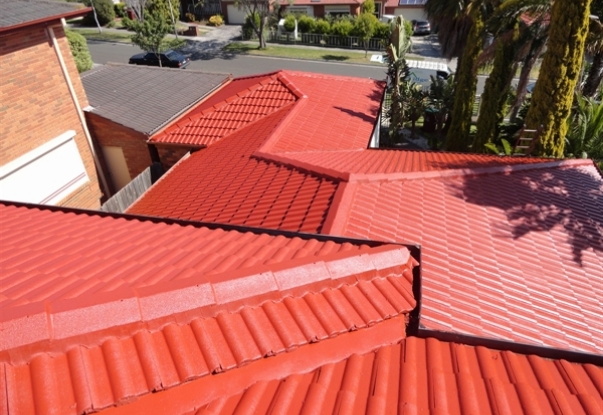
A restoration genuinely fixes the roof when the frame and battens are sound, the roof line is straight, and the tiles are whole or can be matched one at a time. The ridge is re-bedded and repointed, the surface cleaned, sealed and coated, and the roof ends up watertight and presentable. That is most roofs here.
It becomes cosmetic when the ridge work is skipped. Coating over a crumbling ridge line gives you a good-looking roof that still leaks at the top.
Replacement is the honest answer when the material has gone rather than the finish: tiles delaminating in layers, cracks through the body of a tile rather than across the face, or timber gone soft behind a failed ridge. Where one section has gone, replacing that and restoring the rest is sensible. A slipped cap or a couple of broken tiles is a repair.
What Affects the Cost of an Aspendale Roof Restoration
Nothing here is priced from a photo or off a square-metre rate. What genuinely builds the number:
- How many metres of ridge and hip need stripping back and re-bedding rather than repointing, the biggest variable on cement tile along here
- Roof size and pitch, single or double storey, and how access is managed
- How porous the tile is, and how much cleaning it needs before anything bonds
- How many tiles are broken or slipped, and whether the profile can be matched
- Whether a garage, carport or pergola in sheeting is finished at the same time
- Whether gutters, valleys or flashings are in the same scope
- Whether the colour work happens now or is booked for a later stage
The inspection and the itemised written quote cost nothing and carry no obligation.
What Aspendale Owners Ask
Look for the ridge. A quote that states how many metres of ridge and hip are being re-bedded, how many tiles are replaced and which coating system is going on is describing real work. One offering a clean and two coats for a keen price is describing what you see from the street.
It should, and in the same visit. Few roofs here are metal throughout, but a garage, carport or rear pergola in sheeting is common, and leaving it out means a freshly finished tile roof above a faded one. Sheeting is corrosion treated and recoated rather than re-bedded, but access is paid for once.
Days rather than weeks on a typical house. The variable is not the size of the roof, it is how much ridge has to come off and go back, since bedding needs to cure before the finishing coats.
Yes. The ridge work is what stops water getting in, so it is the part with a deadline. The colour can wait for settled weather, and the quote sets out both stages.
The Roof Is Judged From the Street and Fails From the Ridge
Every Aspendale roof restoration that disappoints was decided by the mortar, not the colour.
Start at the ridge, not at the colour chart. 0439 931 138, or the free quote request on this site. The same cement tile and coastal exposure shape the work at the salt-worn homes around Chelsea and the waterfront roofs at Patterson Lakes.