

-
 $0 Callout. Fast Response
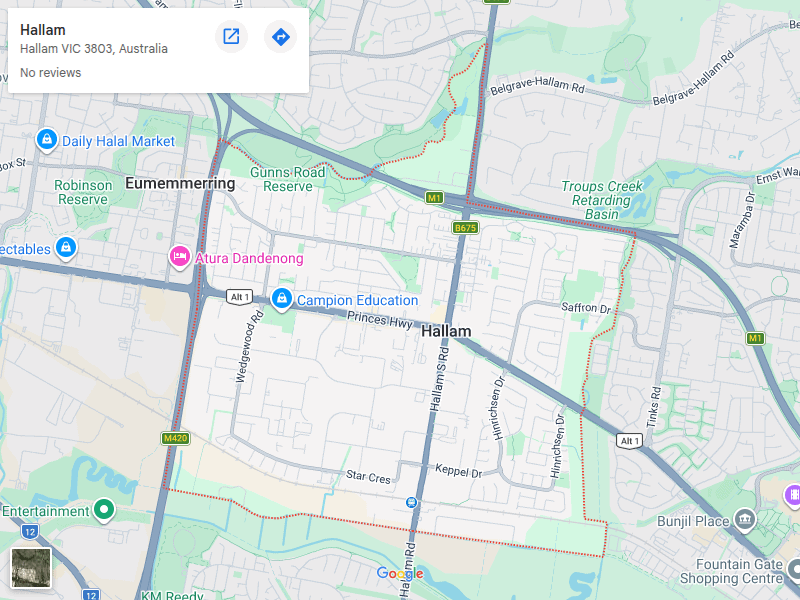
No hidden fees. On-site in 90 minutes in Hallam.
-
 Premium Roofing Materials Only
Top-quality Colorbond, terracotta, and more
-
 12-Year Workmanship Guarantee
Long-lasting results backed by a decade’s promise
-
 35+ Years Roofing Experience
Trusted experts delivering quality roofing since 1999

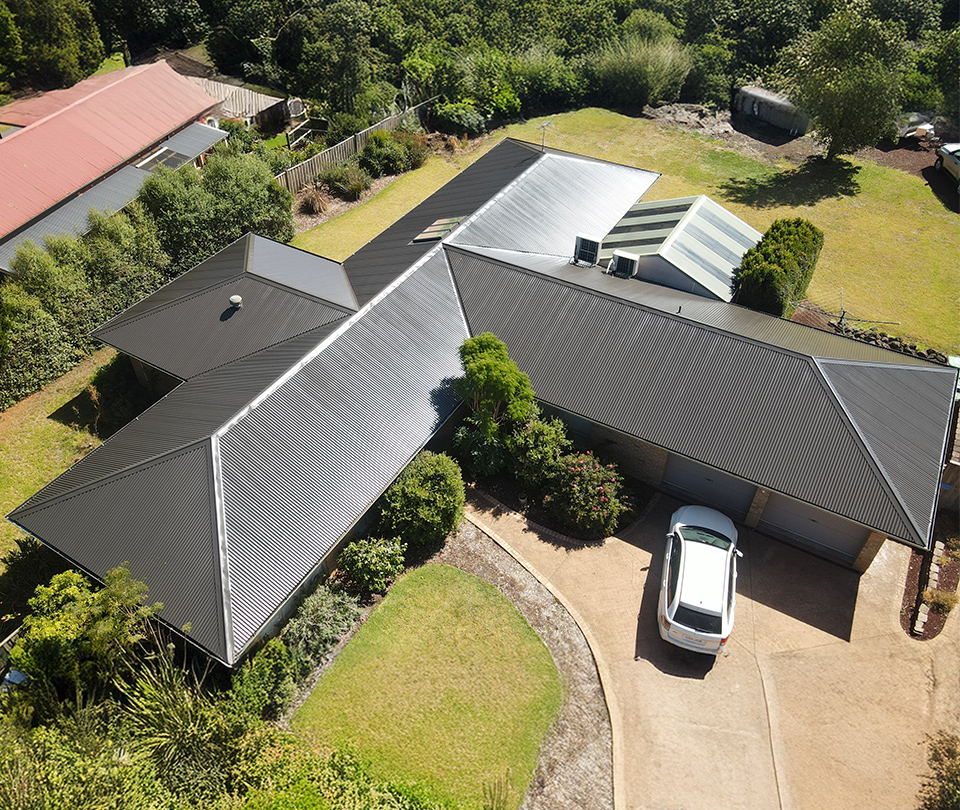
Roof Restoration Hallam plus Repairs and Painting, Starting Where the Water Gets In
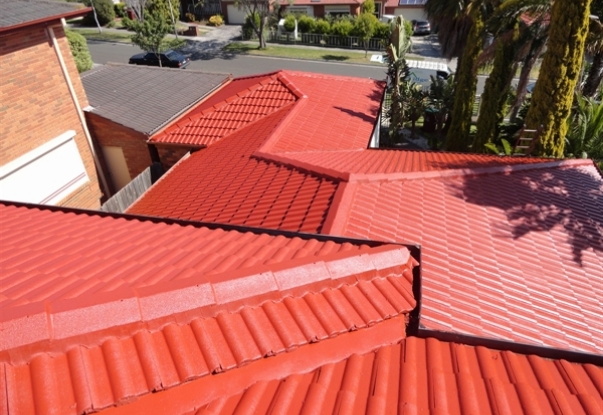
The stain on the ceiling has appeared away from any wall. On a Hallam roof that often means a valley iron, the folded metal channel where two roof planes meet: once it rusts through, water runs into the ceiling. Cracked mortar and broken tiles are the other two call-outs here. Which of the three you have decides whether this is a repair or a roof restoration. New Ridge Roofing has been replacing valleys and restoring tile roofs since 1999. Ring 0439 931 138 and a qualified tiler will look, at no cost.
Roof Repairs Hallam
Plenty of the work here never gets as far as a restoration. Cracked ridge-capping mortar and broken tiles are the two faults that let water in most often, both contained repairs on a sound roof. A rusted valley is the third, and it reaches the ceiling first.
The ridge bedding is a rigid bed of mortar the caps sit on, expanding every hot day and contracting every night. Rigid material does not survive that: it cracks, water gets into the bed, and the cap above is no longer held, so it rocks, shifts or lifts and the ridge line, the longest joint on the roof, becomes the way in.

Broken tiles are less visible. A tile can crack without moving, so from the ground the roof reads as intact while water goes through in one spot every time it rains. Owners here describe holding their breath in heavy rain, waiting for a new mark on a ceiling.
Hail and the summer storms bring their own run of calls, and after a bad one the answer is sometimes that a section has had enough and needs re-sheeting. Hail does not have to break anything to matter: chipping the surface opens the tile body to water at every impact. Inland, the wear here is heat, hard ultraviolet and hail rather than salt, so impact damage matters more than corrosion.
Guttering, fascia and downpipes that have gone tired are worth replacing rather than patching again. Once a gutter has rusted at the joints or the fascia behind it has softened, patching buys a season at the cost of an access set-up you pay for twice.
It is not only the house roof: verandah roofs, pergola sheeting and shed roofs come up constantly here. There the fault is in the sheet and its fixings, so the work is treating corrosion, refixing or replacing sheet, and making the junction with the house watertight. Larger sheds and commercial buildings get the same at a bigger scale. Roof repairs across tile and metal covers each.
Roof Painting Hallam
A coating on a Hallam roof is doing more than changing the colour. Inland heat and hard ultraviolet dry a cement tile out until it is porous, and sealing that surface again is the point of the exercise.
A cement tile was never waterproof by itself. The factory coating did that, and once ultraviolet has broken it down the tile body is open, taking water in instead of shedding it. A wet tile is heavier, slower to dry and a better host for growth on the shaded pitch. Sealing closes it again; the colour coat that follows is the part you notice, not the part doing the work.
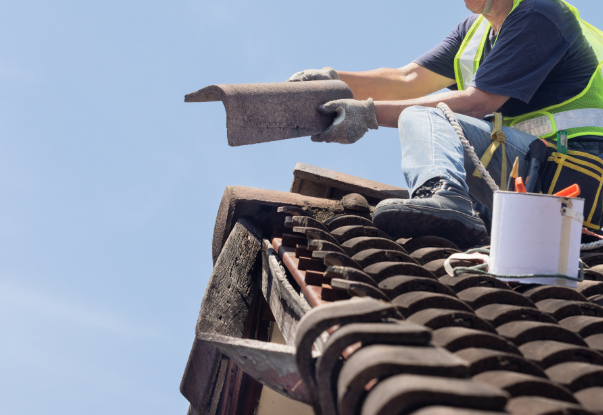
It is why the preparation runs long: a high-pressure clean, then re-bedding and repointing the ridges and replacing any valley iron that has gone, then priming and coating. Everything metal gets settled in that window, because it sits under or through the tile work. Colorbond sheet over an extension or garage, or laserlight over a verandah, gets replaced in the same job, since the alternative is paying for access twice.
The worry owners raise most is whether the membrane will peel, crack or fade a couple of summers in, and the answer sits in that preparation. Peeling means the coating never bonded, generally because the surface was dirty, damp or still shedding loose material. Cracking means it went over mortar that was already moving, so the crack came through. Fading is the coating giving up to ultraviolet, far sooner on a film applied too thin or over a surface still drinking it in.
Commercial roofs here get the same sequence, worked around trading hours so the building keeps operating. Hallam has enough business premises that this is a normal request. How the coating is prepared for and applied is set out in full.
Two Failures on the One Roof
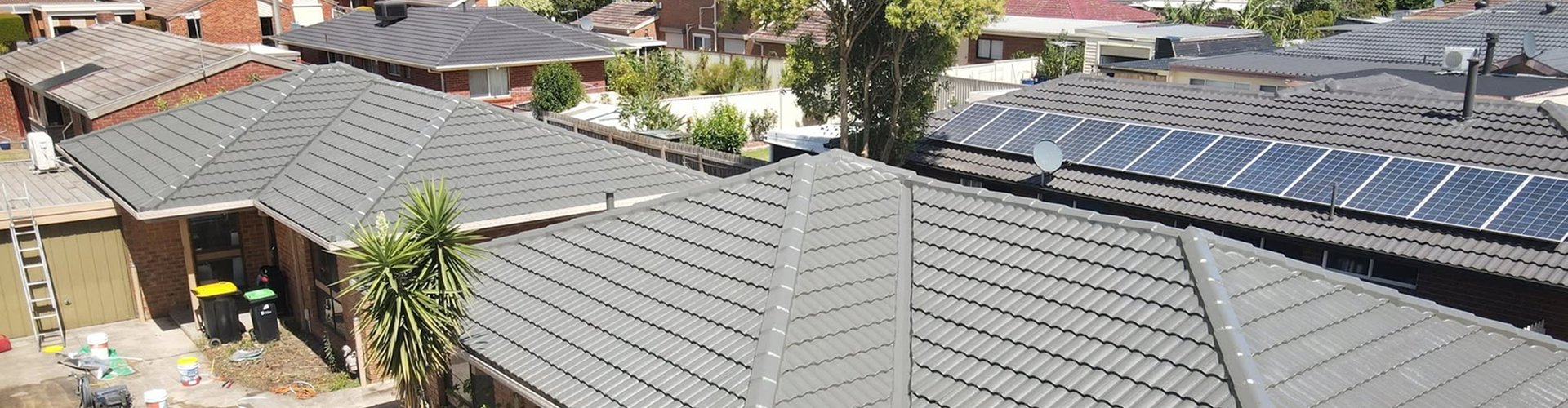
The roof rarely looks the same on both sides. The pitch that takes the sun loses its coating first, heat and hard ultraviolet breaking the surface down until the tile is bare and porous. Hallam sits well inland, so that is the dominant wear here, along with the hailstorms through the south-east.
The shaded sections do the opposite. They stay damp long enough through winter for moss and lichen to take hold, and growth holds moisture against the tile, works into the joints and lifts the edges. Two mechanisms, one roof, needing different work in the same job.
That is why preparation decides it: growth has to come right off and the surface dried before anything is applied, because a coating laid over lichen has nothing to bond to and lifts within a couple of seasons.
Valley Irons, Gutters and the Metal on a Tiled Roof
Most people think of a tile roof as tile. The parts that fail first are usually the metal ones.
A valley iron sits under the tiles where two roof planes join, and carries a lot of water in heavy rain. It collects whatever the roof sheds, so debris packs in, holds moisture against the metal, and it corrodes from underneath where nobody sees it. Rusted valleys damaging roof timbers and the ceiling below are among the most common call-outs here. Replacing one means lifting the tiles either side, taking out the old iron, laying new and re-bedding over it: proper work, not a patch.
Gutters run on the same logic. If they hold water or debris, the fascia behind them stays wet and the problem moves into the timber. Colorbond or sheet metal over an extension, carport or garage is restored differently: rust treated back to sound steel, the sheet cleaned and primed, then recoated.
New Ridge Roofing, and What Goes in Writing
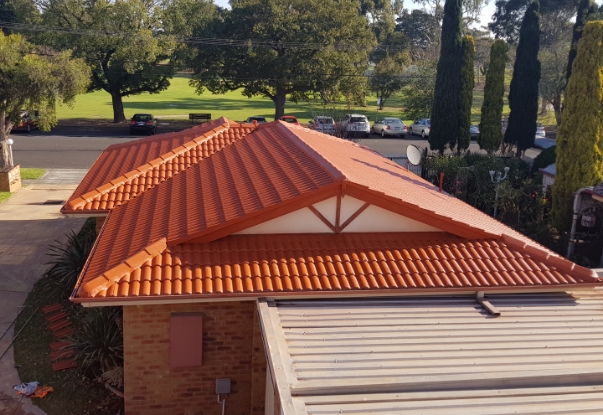
On a Hallam roof the trouble is usually in the metalwork, not the tiles, and the quote has to say so. New Ridge Roofing has been Dean Manning’s family business since 1999, with 5000+ jobs completed across Melbourne’s south-eastern suburbs. Everyone on the tools is a qualified roof tiler, and whoever assesses your roof will be on it.
What you get is a written scope: what was found, what needs doing, what can wait, and what happens if something else appears once the roof is cleaned off. The credentials and restoration sequence are on the roof restoration service page, and the same crews cover the older township roofs at Berwick, the estate stock out at Pakenham and the brick-veneer homes at Hampton Park.
Family business, trading since
Jobs completed across Melbourne's south-east
Google rating from 293 reviews
Year workmanship guarantee
No Callout Fee, and a Quote You Can Hold Us To
Ring 0439 931 138 or request a free quote, and the aim is a qualified roof tiler at your place within 90 minutes, with a $0 Callout Fee whether you go ahead or not.
The quote is written and itemised. What we quote is what you pay, with nothing added once the work is under way. Jobs can be staged, so anything letting water in is dealt with now and roof painting booked for later. Completed work carries a 12-Year Workmanship Guarantee, with a 10 Years Satisfaction Guarantee behind it.
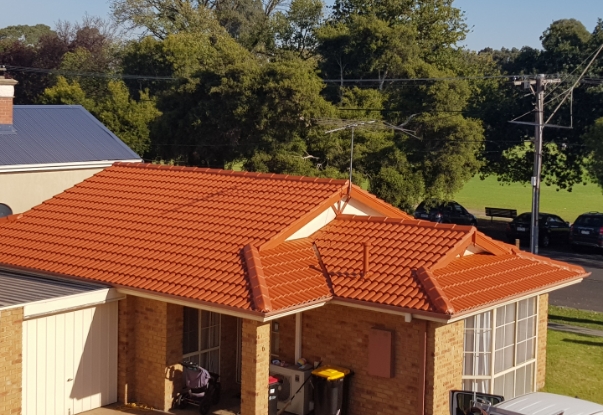

Nothing to pay whether you proceed or not

A qualified roof tiler, not a sales rep

What we quote is what you pay

Urgent work now, colour when it suits
Slate, Asbestos and Knowing What Is Up There First
Some of the older housing here is not concrete tile at all. Slate turns up, and so does asbestos cement sheet, both needing specialist handling, not a standard restoration. That gets established before anything is cleaned, cut or lifted. You will be told plainly what you have, rather than finding out mid-job.
Where the frame and battens are sound and the failure sits in the coating, the mortar and the metal, a restoration is the right call and saves a great deal against re-roofing. Where timbers have gone soft, or a roof is sagging rather than simply leaking, replacement is the honest answer. Broken tiles and one rusted valley on a sound roof are repairs, cheaper the sooner they are done.
The Things That Actually Move a Quote
Two roofs the same size on the same street can price very differently. What drives it:
- How many valley irons and flashings have rusted through, metal work sitting on top of the tile work
- How much moss and lichen has to come off the shaded sections, and how long the roof then needs to dry
- How much ridge bedding has to come out and be laid again, with flexible pointing over the top
- Whether roof painting is part of this stage or booked for a later date
The inspection and itemised quote are free. If the roof has a few more years in it, that is what you will be told.
What Gets Asked on a Hallam Job
Aspect. The sunny side dries out after every rain and the shaded side does not, so it stays damp through winter and moss and lichen establish. The shaded side needs the growth removed and killed off properly; the sunny side has lost more coating.
Yes, and often it should be. Tiles come up either side, the old iron comes out, new goes in, tiles go back. If the rest of the roof is sound, that is the repair. Combining it with a restoration only makes sense if the roof was heading that way anyway.
Gutter cleaning is part of the service and belongs in the scope when the gutters are contributing, which with rusted valleys they usually are. Where they are past cleaning, replacement is the other option. Either way it goes on the quote rather than as an extra.
Then the approach changes and you will hear that before anything is disturbed. Asbestos cement requires specialist handling: not something to pressure clean, cut or walk on. Slate is a separate trade with its own methods. Checking early gets the right advice for the right material.
Before the Ceiling Tells You
A valley iron rusts from underneath, so by the time the evidence reaches your ceiling it has been failing quietly for years.
A stain on the ceiling is the end of the trail, not the start of it. Somebody will trace it back for you on 0439 931 138, or off the back of a free quote request.