

-
 $0 Callout. Fast Response
No hidden fees. On-site in 90 minutes in Pakenham.
-
 Premium Roofing Materials Only
Top-quality Colorbond, terracotta, and more
-
 12-Year Workmanship Guarantee
Long-lasting results backed by a decade’s promise
-
 35+ Years Roofing Experience
Trusted experts delivering quality roofing since 1999

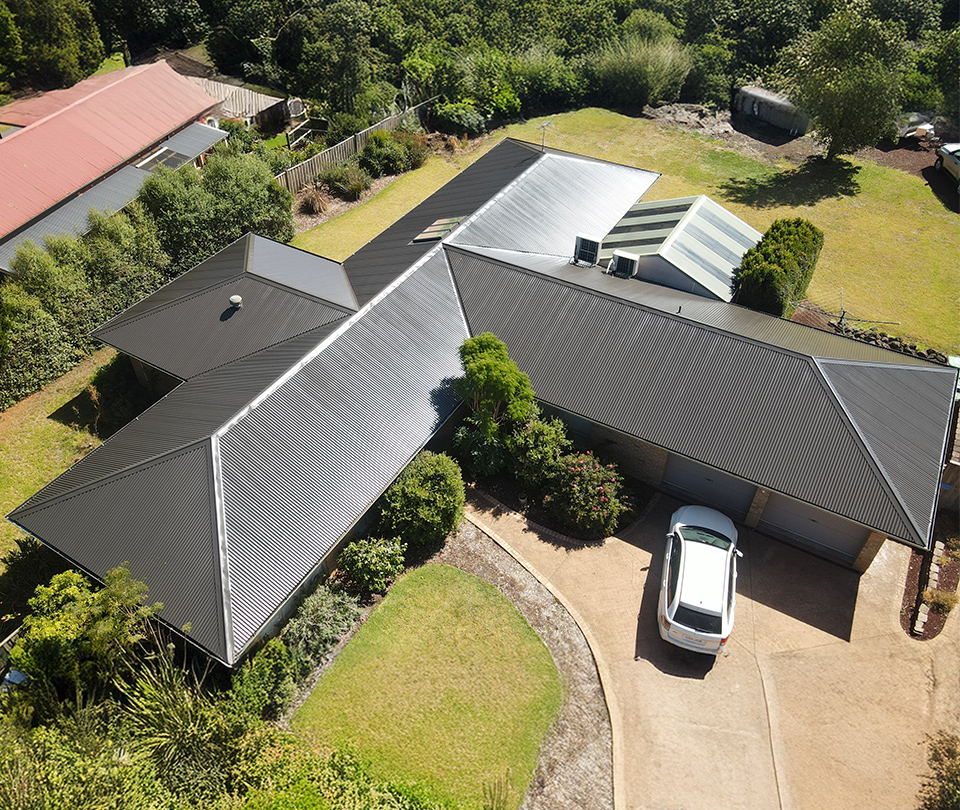
Roof Restoration Pakenham: Repairs and Painting From the Ridge Line Down
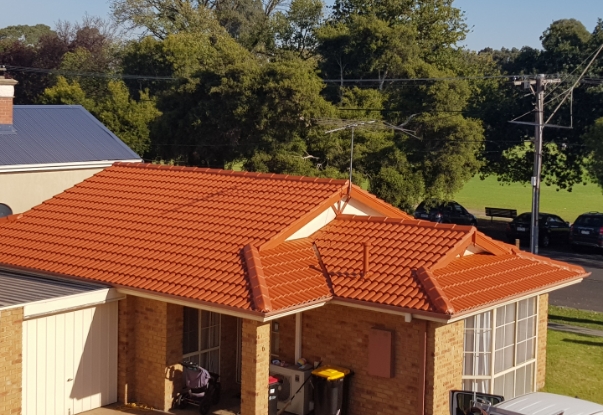
Cracked pointing along the ridge is the first thing to go on a Pakenham estate roof, and the leading reason those roofs leak. If your place went up in the early-2000s wave at Cardinia Lakes, Lakeside or Heritage Springs, the roof is in the 15 to 20 year band where that mortar gives out. The older streets arrive from the other direction, with 1970s to 90s concrete tile gone porous and brittle. New Ridge Roofing has handled roof restoration on both since 1999. Ring 0439 931 138 and a qualified tiler will tell you which you have, at no cost.
Roof Repairs Pakenham
Two kinds of repair call come out of Pakenham, and they want different things from you.
The first is the storm job. Something has lifted or cracked overnight, water is getting in now, and the only question before morning is how fast the roof can be made safe. Making safe is its own piece of work: the opening gets covered, the water is given somewhere to go, and anything loose is secured against the next front. It buys time to do the repair dry, because a permanent fix attempted on a wet roof is neither permanent nor safe.
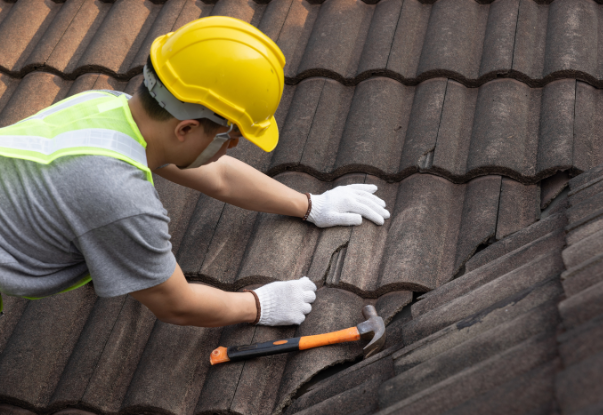
The second call is slower and nearly always starts at the ridge. Blown pointing is what the local trade names most often as the leak source out here, and the driver is heat cycling rather than anything coastal, since Pakenham sits inland with no salt load to blame. Flexible pointing is the fix rather than more rigid mortar, laid over bedding that has been renewed rather than over the crumbling bed that failed in the first place.
Storm damage is visible, localised and needs attention today. Ridge failure is invisible from the ground, can be scheduled, and gets more expensive every wet month it is left.
Matching decides the rest of a tile repair. An estate roof carries a profile and a colour that were current when the street went up, and profiles get discontinued. The nearest available shape reads as a patch from the footpath and seats badly, and a bad seat leaks at the join. Salvaged stock in the right profile is the answer, and whether it can be found is a question to settle at quote stage.
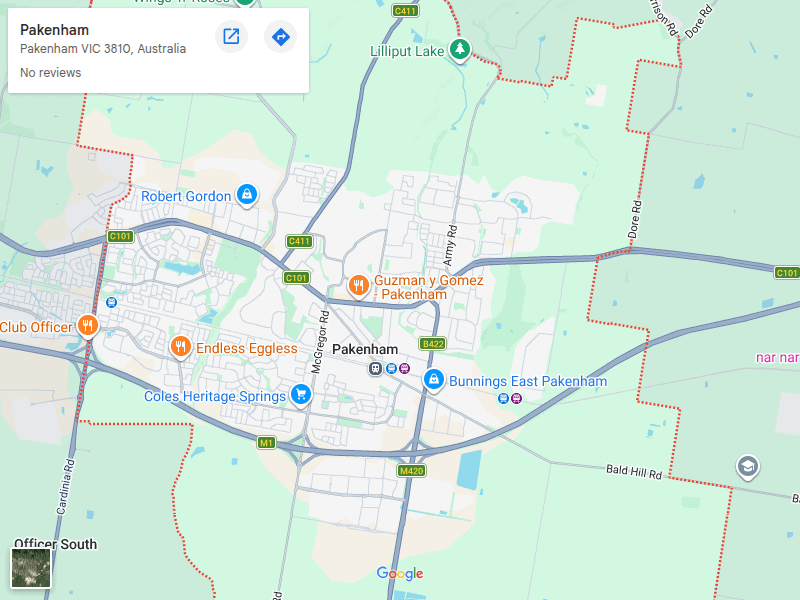
Pakenham sits on a run that also takes in Officer, Berwick and Narre Warren, and it is worth establishing whether your address is genuinely on that route, because a repair deferred for want of someone willing to make the trip is a repair that grows. That work sits under roof repairs on tile and metal.
Roof Painting Pakenham
Concrete tile is the substrate that gets painted here, and constant sun wears it out. No salt in the air out this way shares the blame, so it is a sun failure, arriving in a predictable order.
Concrete tile never had colour through the body of it. What you have looked at since the house was built is a factory-sprayed coating, and it is a wear item with a finite life. Sun chalks it first, the fine powder that comes off on your hand, then it bleaches, then it thins across the pitches that cop the most afternoon light. The result is a house in good order that reads as tired from the street.
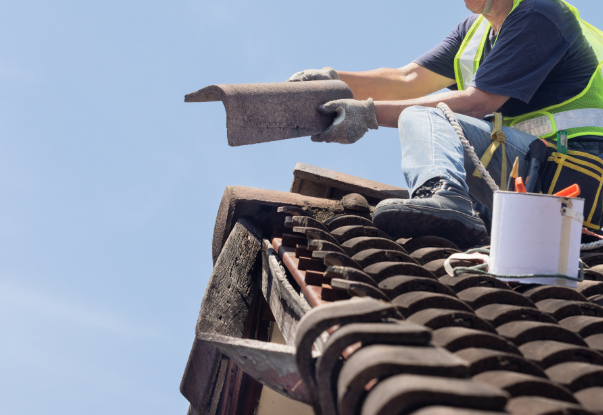
Underneath the cosmetic problem is a real one: once the factory coating has gone, the exposed tile body is porous. It takes up water instead of shedding it, stays damp through winter, and gives moss somewhere to establish. Sealing is not optional at this stage, because colour rolled onto a porous tile soaks in unevenly, never builds a film, and lifts.
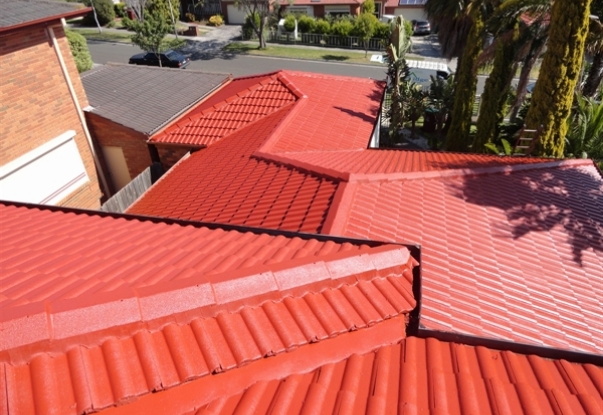
So the order is most of the job. Clean back hard enough to take the chalk and the growth off. Replace what is broken. Re-bed and repoint the ridge lines, because a coating over failed mortar is a coating over the leak. Seal the porous surface so the tile stops drinking. Then coat in more than one pass. Anything skipped shows up later as coating lifting, and the second attempt includes stripping the first one off.
Access is the other Pakenham consideration, worth raising early. A good many of the estate homes here are two storey, and a two-storey roof is not a ladder job: proper staging has to go up, and where it goes has to be worked out in advance. That is why a painting quote on a two-storey estate house sits above one on a single-storey roof of the same area.
Preparation and coating choice are covered under the roof painting system.
The Older Streets and the Estates Are Arriving Together
An estate roof at fifteen or twenty years is usually sound underneath: frame, battens and most of the tiles intact. What has given out is the mortar work along the ridges and hips. That is the cheapest moment to do it, because nothing has been let into the roof space yet.
A concrete tile roof from the seventies, eighties or early nineties is a different proposition even though the quote uses the same words. Decades of sun have taken the factory coating off entirely and the tile has gone porous and brittle. Brittle matters more than owners expect: tiles break underfoot, so older stock means more replacement, more matching and more care getting around the roof. It is still a restoration in most cases, just a bigger one.
Which of the two you are in is most of the reason two Pakenham quotes can look nothing alike.
Ridge Pointing, and Why It Goes First Out Here
Ridge caps sit in a bed of mortar with pointing finishing over the top, and both take the worst of the weather.
Out here the failure mechanism is heat. A roof expands through a hot afternoon and contracts overnight, every day, for years, and rigid mortar has no give, so the movement goes into cracks. Once the pointing splits, the bed breaks up, the cap loosens, and rain takes a path into the roof space through a gap nobody sees from the ground.
Flexible pointing is the answer, and why local specifications call for it rather than plain mortar: it moves with the roof instead of cracking away. The old pointing and bedding come off first, the caps are re-bedded, and the flexible pointing goes over that. Laid over crumbling bedding it fails on the same schedule as the last lot.
Dean Manning, and How New Ridge Roofing Quotes a Roof
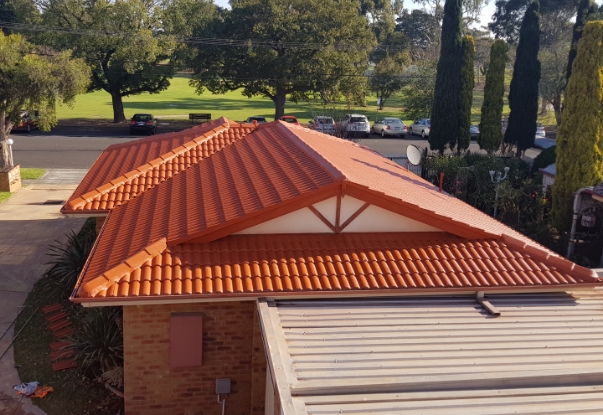
A Pakenham quote either gets specific about ridge pointing or stays vague, and vague costs money later. Dean Manning has run New Ridge Roofing as a family operation since 1999, with 5000+ jobs completed across Melbourne’s south-eastern suburbs. The person who assesses your roof is one of the qualified tilers who will do it, not somebody selling on his behalf.
The quote says what was found, what needs doing, what can wait, and what happens if something else appears once the roof is cleaned. Full credentials and the restoration sequence are on the roof restoration service page. The same work runs through the township roofs at Berwick, the tiled homes at Cranbourne and the older stock at Hallam.
Family business, trading since
Jobs completed across Melbourne's south-east
Google rating from 293 reviews
Year workmanship guarantee
What the Free Inspection Actually Covers
Ring 0439 931 138 or request a free quote, and the aim is a qualified roof tiler at your place within 90 minutes, with a $0 Callout Fee whether the job goes ahead or not.
The inspection covers the ridge and hip lines, the valleys, the condition and brittleness of the tiles, and where practical the roof space. What comes back is a written, no-obligation quote covering what the roof needs, and what we quote is what you pay, with no hidden fees. Work can be staged, so leaks are dealt with now and roof painting booked for a date that suits. Completed work carries a 12-Year Workmanship Guarantee, with a 10 Years Satisfaction Guarantee behind it.

Nothing to pay whether you proceed or not

A qualified roof tiler, not a sales rep

What we quote is what you pay

Urgent work now, colour when it suits
The Matching Problem, and When It Ends the Argument
Restoration keeps what is sound and renews what has worn out, and on Pakenham roofs that is nearly always right. What ends the argument is not age. It is matching.
Tile profiles change. A roof built in 2003 may carry a profile the maker has since discontinued, so replacing the handful that crack depends on second-hand stock in that profile and colour. That is why trades in this area hold salvaged tile. Where matching stock exists and the frame and battens are sound, restoration is the job. Where nothing can be matched and tiles are failing in numbers, or the structure underneath has gone, replacement is the honest recommendation. A single cracked tile or one blown cap is neither: it is a repair, worth doing before the next storm.
How a Pakenham Roof Gets Priced
No per-square-metre rate survives contact with a real roof. What the number is built from:
- How brittle the tiles have become, since older Pakenham stock breaks more and every broken tile has to be matched
- How many metres of ridge and hip line have to be stripped, re-bedded and finished in flexible pointing
- Whether matching tile can be sourced for your profile, or replacements will be visible
- Whether roof painting is part of this stage or a later one
The inspection and the itemised written quote are free and carry no obligation.
Questions From the Estates and the Older Streets
Fifteen to twenty years is a normal life for the mortar work, not a sign anything was wrong with the build: bedding and pointing are the shortest-lived parts of a tiled roof, and a street that went up together reaches that point together. Worth checking on a rapidly built estate roof is the original mortar work and the flashing detail.
They present differently. Failed pointing shows as cracked or missing mortar along the ridge and hip lines, caps that rock when pushed, and a leak near the top of a ceiling. Battens or timber gone shows as a sagging roof line, soft timber in the roof space, or water well away from any ridge.
Yes. Rigid mortar is strong but has no movement in it, so daily expansion and contraction cracks it. Flexible pointing moves with the roof and stays bonded, and it comes in colours, so ridge lines can be finished to suit the tiles.
Usually, through salvaged stock in the same profile and colour, which is why matching gets checked early. If your profile is genuinely unobtainable that changes the recommendation, and you should be told at quote stage.
Find Out Where Your Roof Actually Sits
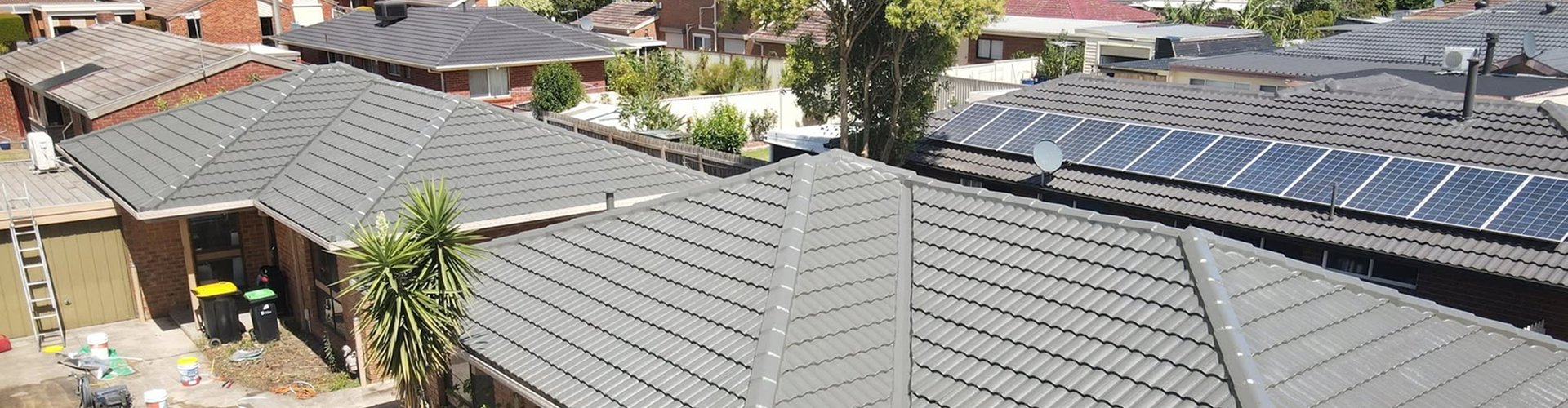
An estate roof at fifteen years and a tile roof from the seventies both start at the ridge line, and only one still has tiles you can walk across.
Whatever it turns out to need, you get it in writing before anybody starts. 0439 931 138 gets that moving, and so does a free quote request.