

Roof Repairs Melbourne: Finding Where the Water Actually Gets In
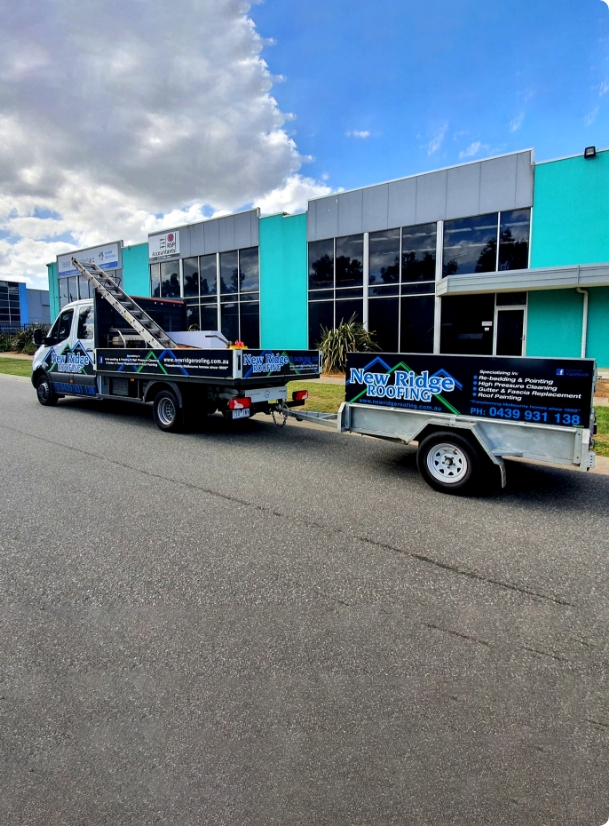
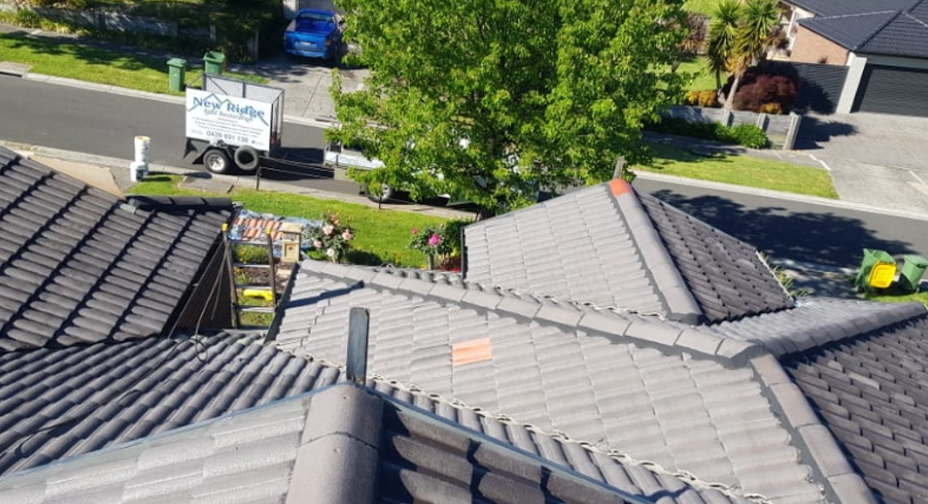
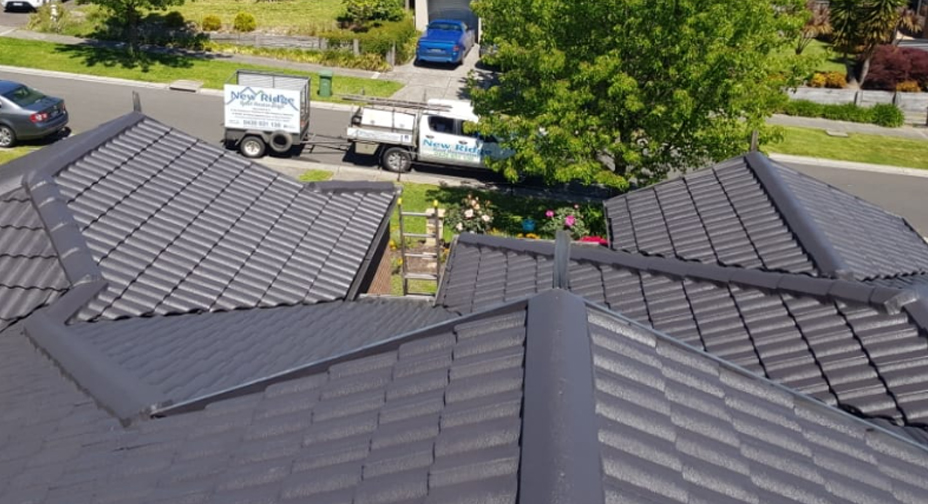
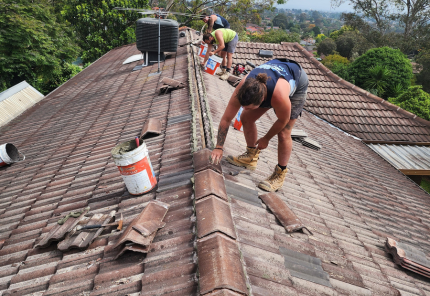
Water rarely enters a roof anywhere near the spot it shows up on your ceiling. It runs along a batten, follows a valley and drops through the plaster a room away from the hole. So roof repairs across Melbourne start with somebody standing on the roof, not a torch through the manhole, and New Ridge Roofing sends a qualified roof tiler rather than a sales rep. Most days that is inside 90 minutes. Looking costs nothing either way, so ring 0439 931 138.

After a Storm, and the 90 Minutes That Follow
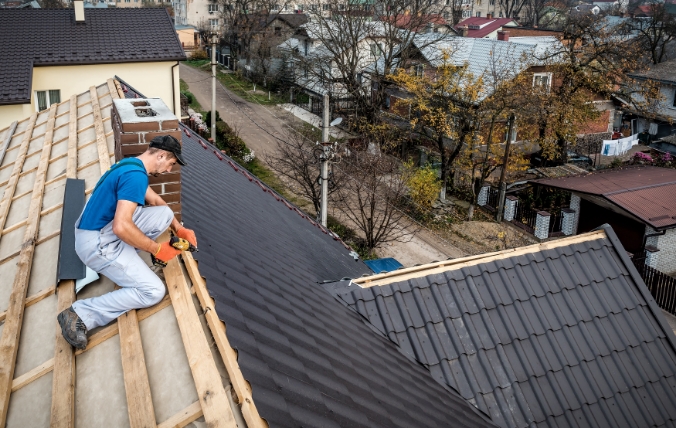
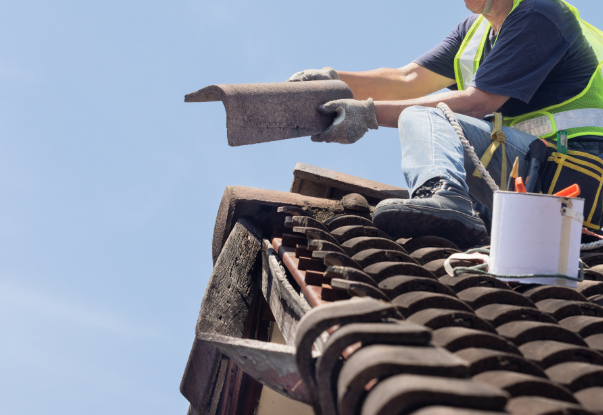
A wild night is when this phone rings hardest, and what you want first is a straight answer about whether water is still getting in. Ring 0439 931 138 and one of the tradesmen picks up. On most days a qualified roof tiler is at the property within 90 minutes, and the $0 Callout Fee stands whether the work goes ahead or not.
What comes back is a free, no-obligation quote in writing: the fault, the sections of roof involved, and the figure. What we quote is what you pay, with no hidden fees. The person who writes it is one of the people who will be up there doing it. There is no sales rep in this business to write it for them.
The People You Get When You Ring New Ridge Roofing
A repair is the easiest roofing job in the world to fudge, because once the crew has gone you cannot see what was actually done up there. So it is worth knowing who goes up.
Everyone who works on the tools is a qualified roof tiler, and the business trades under Registration Number TXRR0000342 with $10 million in public liability cover behind it. Dean Manning started New Ridge Roofing in 1999 and it has stayed a family operation of three to four people, which is why the tradesman who writes your quote is the tradesman on your roof, and the one you ring if the stain comes back.
Between them the crew holds 35+ years of combined roofing experience, and 5000+ jobs have gone through the books across Melbourne’s south-eastern suburbs, the Mornington Peninsula and the Latrobe Valley. The Google rating is 5.0 from 293 reviews, and 25% of each year’s work arrives by referral from households who have already had this crew on their roof.
A repair leaves here under four separate commitments. The workmanship is covered by the 12-Year Workmanship Guarantee, and the 10 Years Satisfaction Guarantee sits behind it. The visit itself is covered by the $0 Callout Fee. The written quote is covered by the price guarantee: what we quote is what you pay.
What the Stain, the Damp Cornice and the Lifted Cap Are Telling You
Most repair calls start with one of five things, and each of them points somewhere fairly specific.
- A brown ring on the ceiling. Usually a valley iron rusted through, a cracked tile uphill of it, or flashing pulled away at a chimney or skylight. The stain marks where the water gave up, not where it got in.
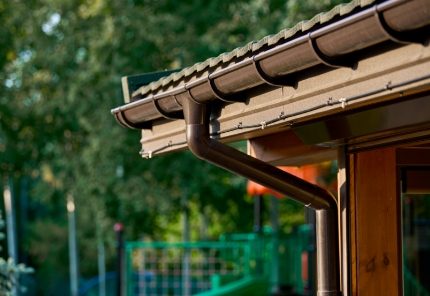
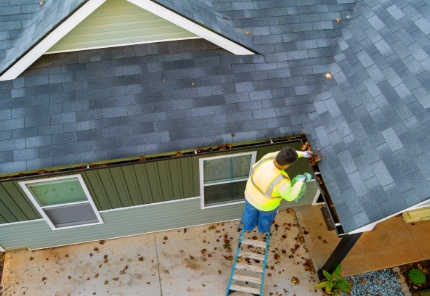
- A musty cornice or a bubbling line down a wall. Water tracking inside the cavity, most often from failed flashing where the roof meets brickwork, or a gutter that has blocked and backed up over the fascia.
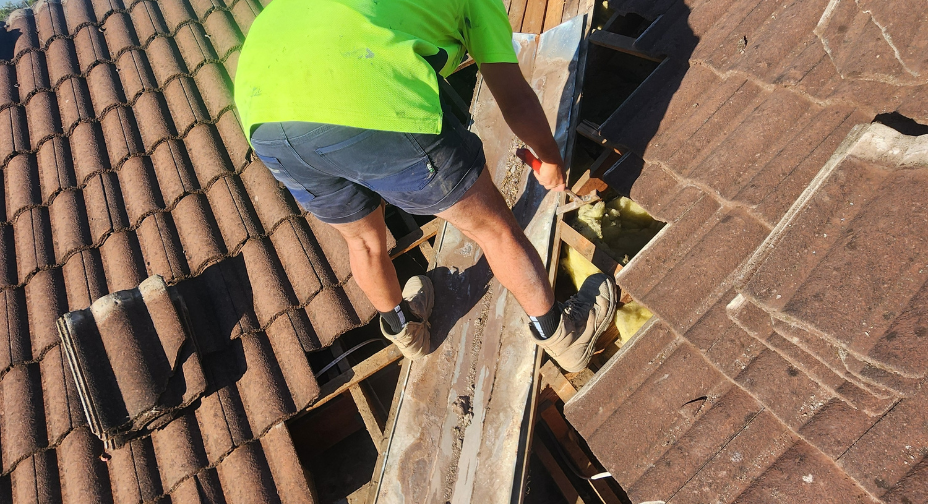
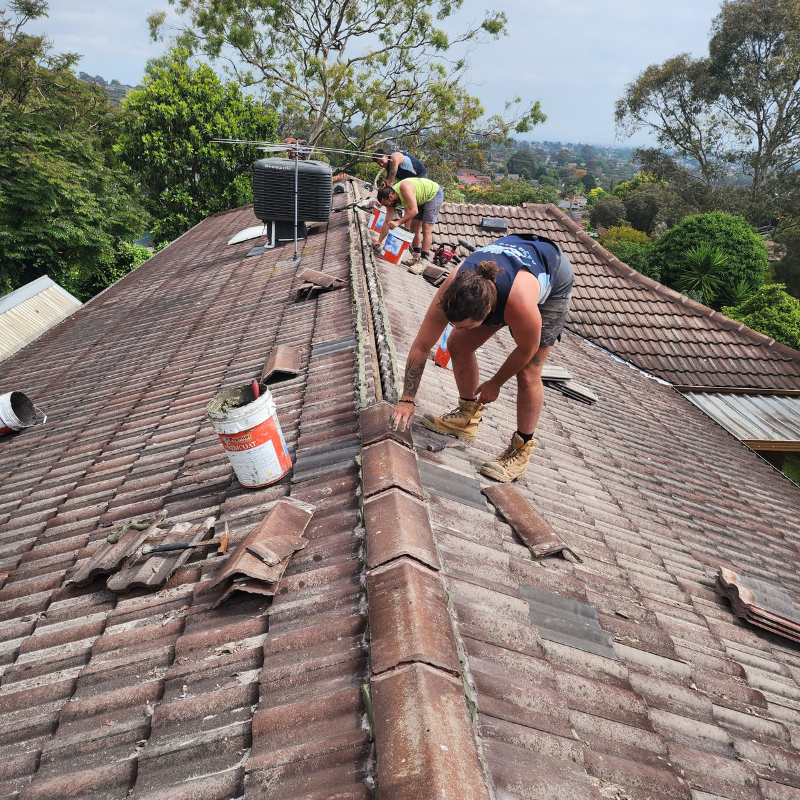
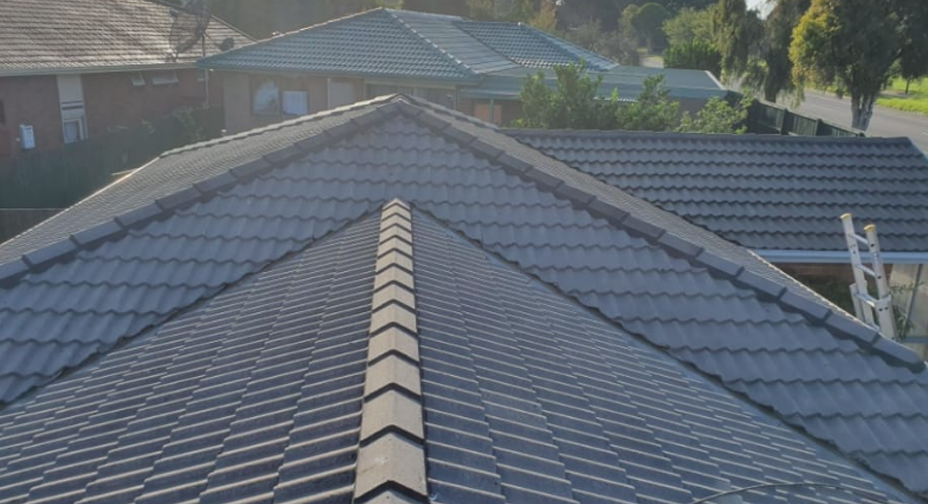
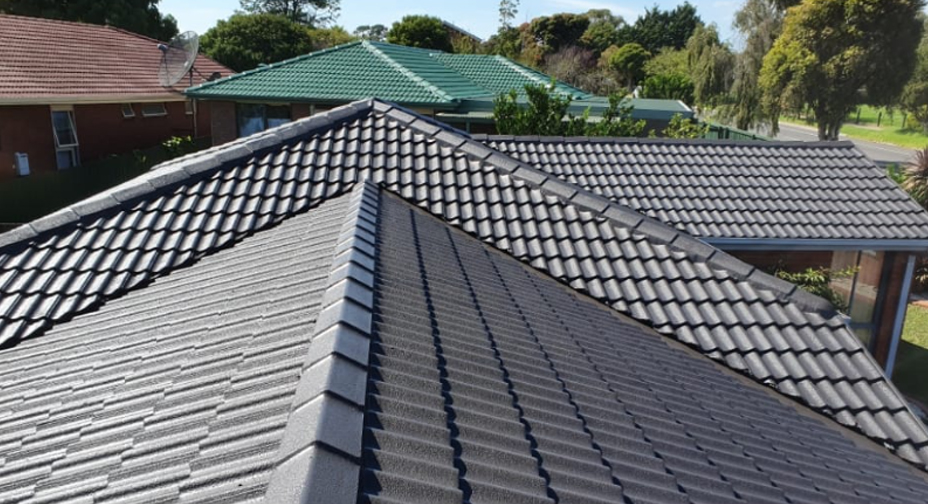
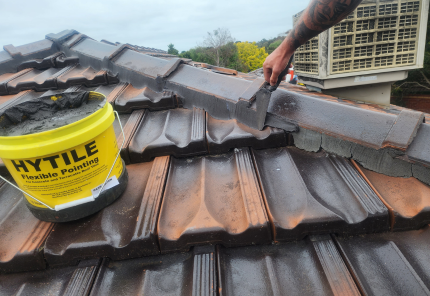
- Ridge capping lifted, cracked or blown off. The mortar bed underneath has gone. Re-bedding relays that bed, and flexible pointing over the top moves with the roof instead of cracking away in the first hot summer.
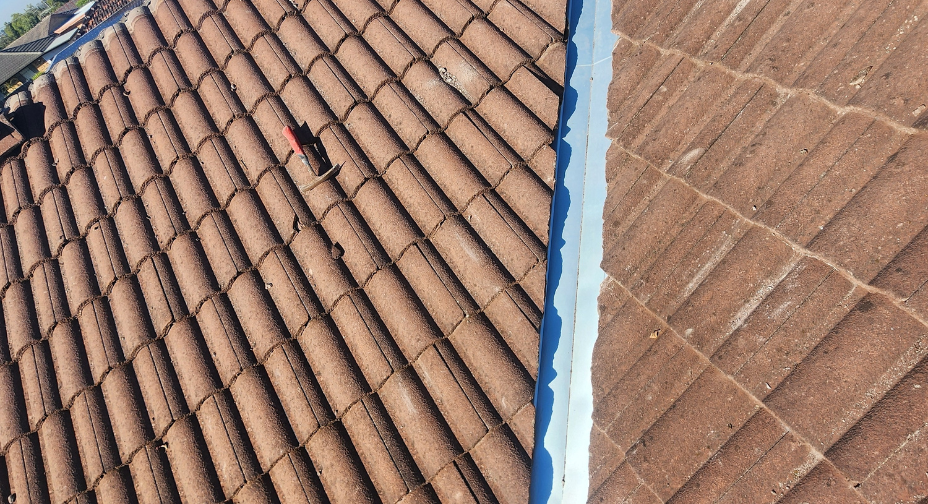
- A rust line down a valley or around a flashing. On a tiled roof the metalwork ages well ahead of the tiles. Valley replacement lifts the tiles and takes the old iron out from under them rather than sealing over it.
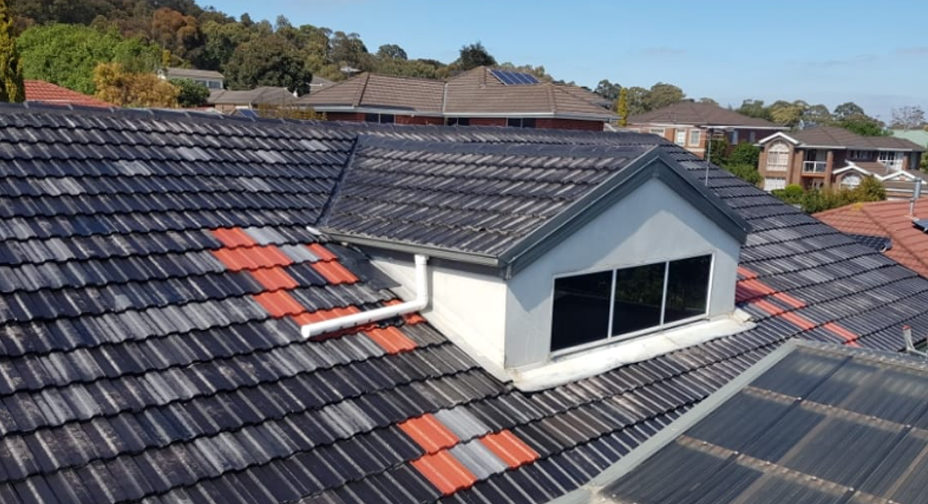
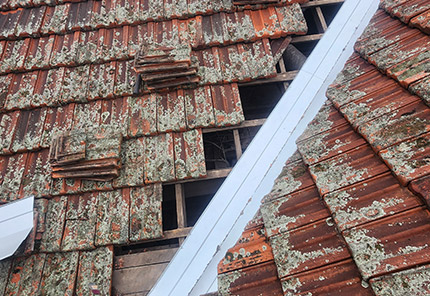
- Cracked, slipped or missing tiles after a storm. Straightforward to swap while the profile can still be matched, and the first thing to check after a wild night, along with the gutters and the fascia behind them.
Repair, or Has the Roof Moved Past That?
A repair is component work. One valley, a run of ridge capping, a dozen tiles, a length of fascia: the rest of the roof is doing its job and nobody needs to touch it. Most calls land here, and you should be told so rather than sold something larger.
The roof has moved past a repair when the failures stop being separate. Pointing crumbling along every ridge instead of one. Tiles that have lost their surface across whole planes and started absorbing water rather than shedding it. Three leaks in three unrelated places in one winter. At that point repair rates are being paid over and over on a roof that needs the whole sequence, and a full roof restoration works out cheaper over any horizon worth measuring.
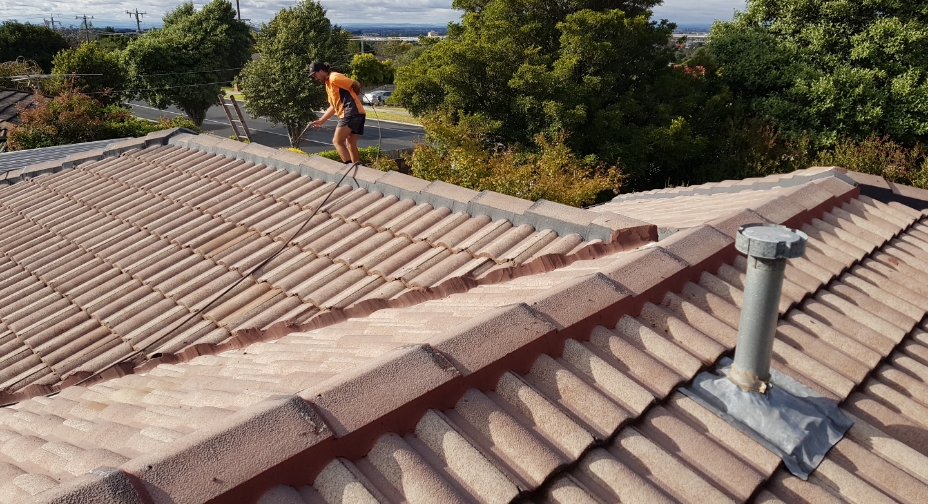
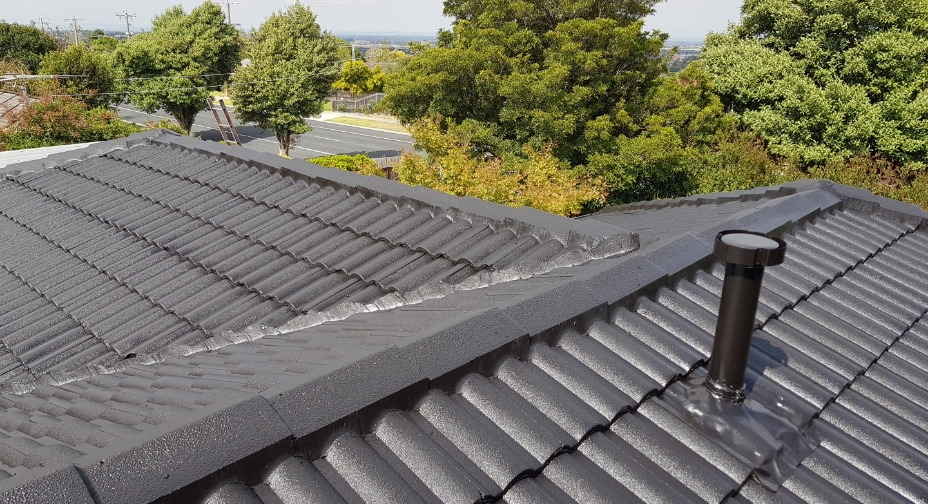
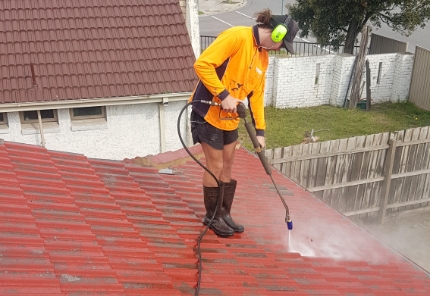
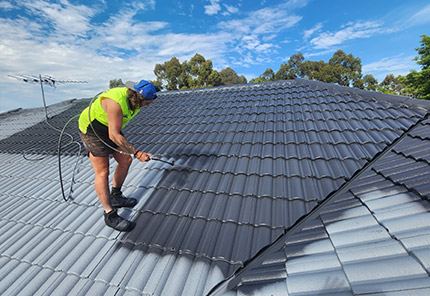
One rule holds in both directions. Structural faults and leaks get fixed before anything cosmetic goes on, because a coating laid over a rusted valley or a soft mortar bed hides the fault for a season and then fails along with it. Where the roof is sound and only the surface has aged, the job is roof painting, and it belongs after the repair work rather than instead of it.
Roofer or Roof Plumber: Who Should Be on a Tile Roof
People use the words interchangeably, which is how the wrong tradesman ends up on the wrong roof. Roof plumbing is the water-handling side: gutters, downpipes, box gutters, flashings and metal sheeting. Roof tiling is the covering itself: tiles, ridge capping, bedding, pointing, valleys, and the junctions where tile meets metal.
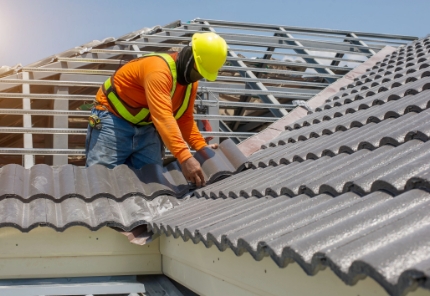
Everyone on a New Ridge Roofing job is a qualified roof tiler, working under Registration Number TXRR0000342. On a tiled home that covers the large majority of what goes wrong, because most leaks begin at a tile, a cap or a valley rather than inside a pipe. Describe the symptom when you ring and you will be told plainly whether it is work for this crew.

Terracotta, Concrete Tile and Colorbond Fail in Different Places
Naming what is over your head changes the repair before anything else does.
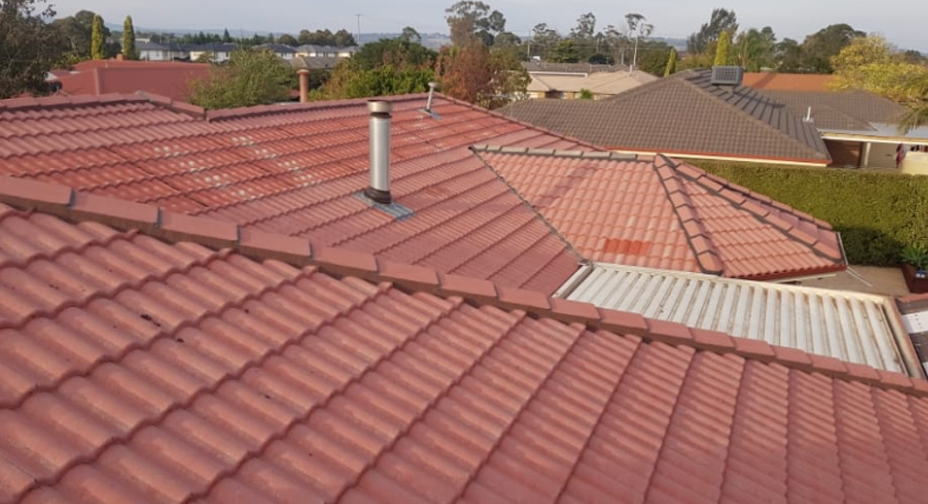
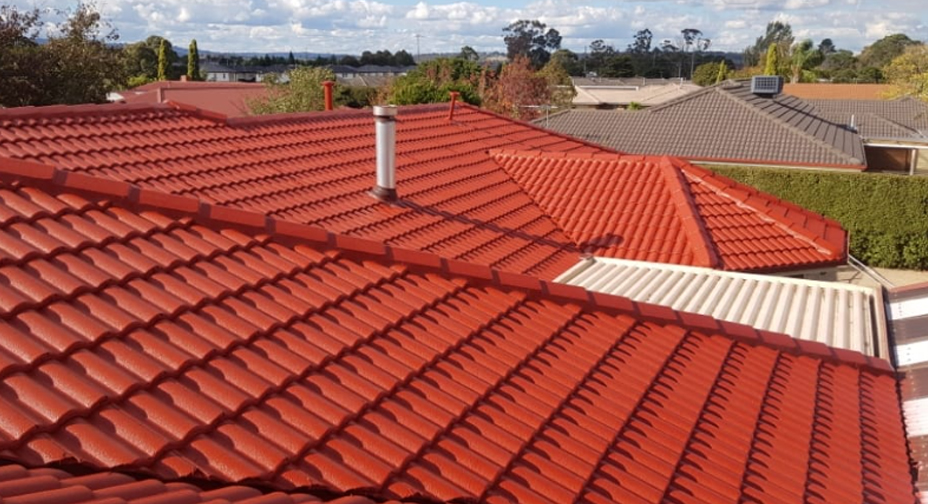
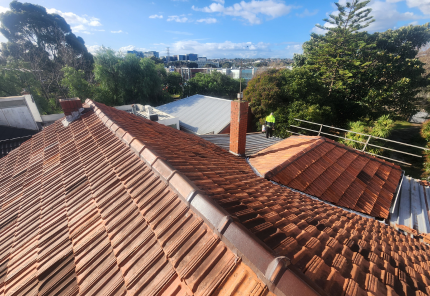
Terracotta is fired clay, and the tile body will outlast the house it sits on. What fails is the glaze and the mortar around the ridges, so the work runs mostly to re-bedding, flexible pointing and sourcing matching stock for the few tiles that have genuinely broken. Matching a discontinued profile is the hard part, and a mismatch announces itself from the footpath. Terracotta Restoration is a service line here in its own right.
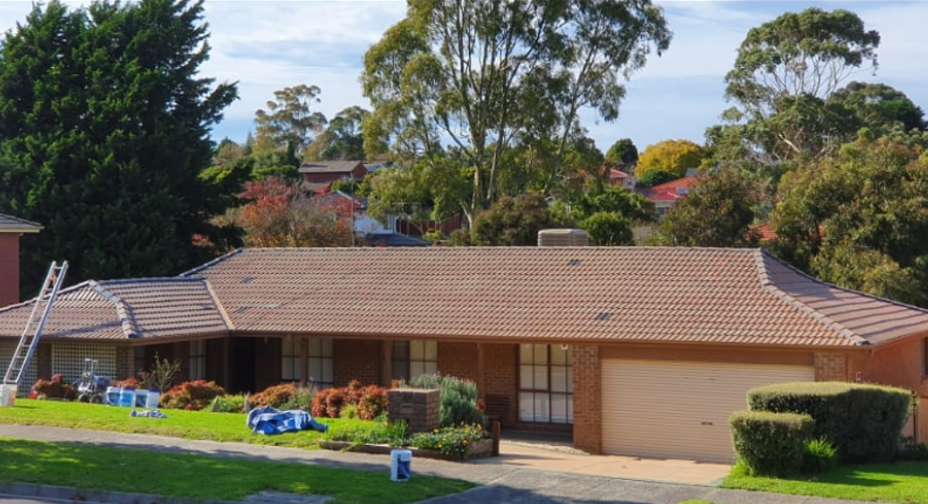
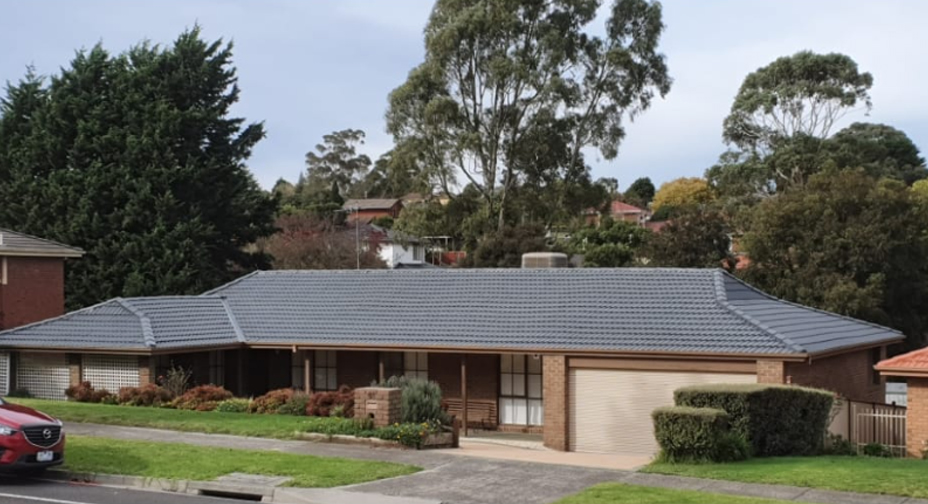
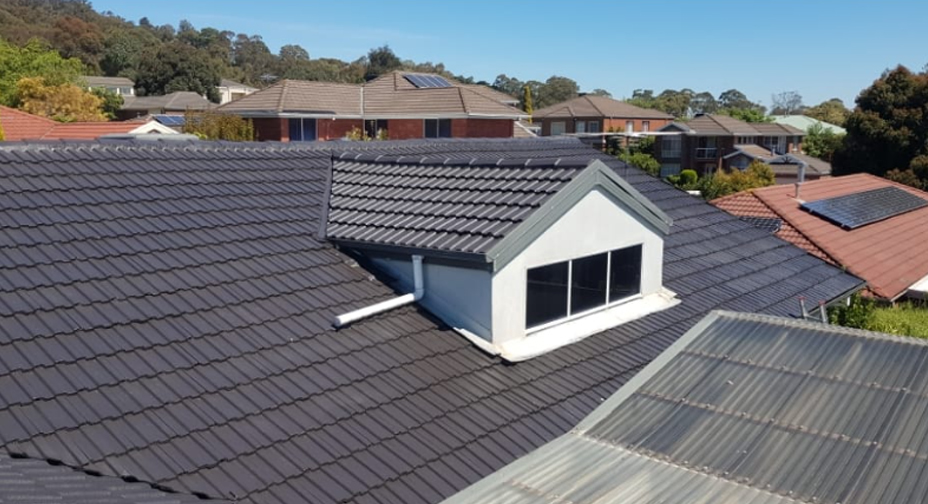
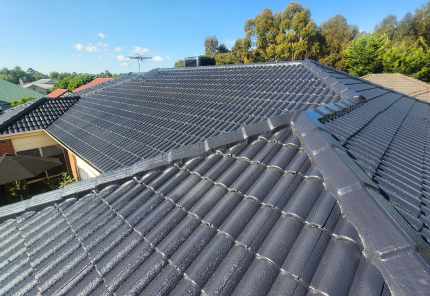
Concrete and cement tile carries its colour as a coating applied at manufacture. Once that wears through, the tile stops shedding water and starts taking it on, which is how a roof that looks intact ends up behind a damp ceiling. Repairs here usually mean pointing, tile swaps and valley work.
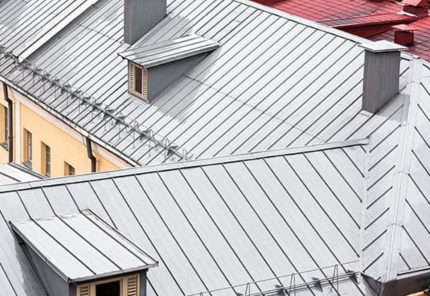
Colorbond and other metal roofing has no bedding or pointing at all, so the work moves to the fixings, the laps and the sheets. Rust is ground back and treated, tired screws and washers are replaced, corroded sheeting is swapped out, and flashings are resealed. Metal shows its faults earlier than tile does, and forgives them less once they start.
Why the Quote for the House Next Door Was Different
Repair prices move on things nobody can see from the kerb:
- how much of the roof is involved: one valley or four, a metre of ridge capping or the full run, six broken tiles or sixty
- the substrate, and whether a discontinued tile profile can still be matched or has to be chased down
- the pitch, the storey count, and how much of the roof has to be staged to be worked on safely
- whether fascia, gutters or downpipes are worth doing in the same visit while the access is already up
- whether any coating work sits in this stage or gets scheduled for later
Nobody can price that honestly down a phone line. The on-site assessment is where it gets settled, and the $0 Callout Fee means asking costs you nothing.
Urgent Work Now, the Rest When It Suits You
A repair rarely arrives on its own. The leak is urgent. The tired ridge line and the roof that could do with a coat are not, and there is no reason to buy all of it in the same week.
The sequence runs the same way every time. Ring 0439 931 138, use the online enquiry form, or ask for a free quote through this site, and you get a reply rather than a queue position. A qualified roof tiler is on site within 90 minutes on most days, at no callout fee, and goes up rather than guessing from the driveway. The quote comes back in writing, with no obligation and no hidden fees. Say yes and qualified roof tilers carry out the agreed works using premium materials, under the 12-Year Workmanship Guarantee.
Before the Next Front Comes Through
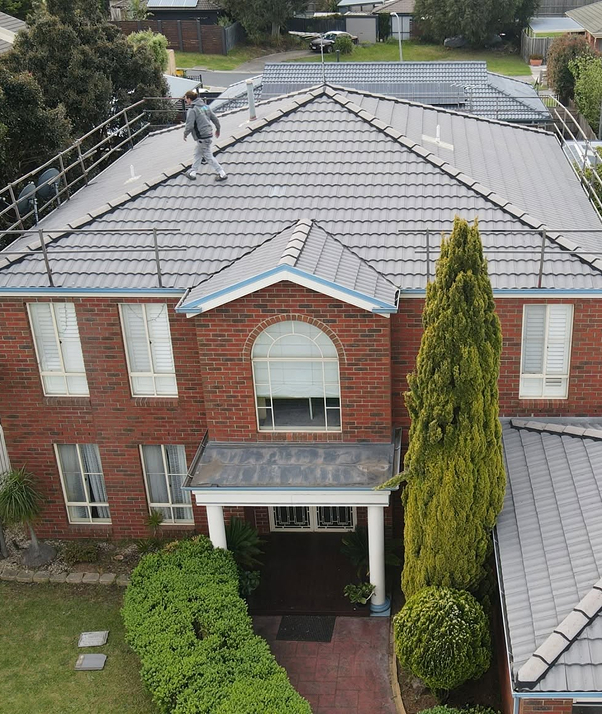
A leak caught in its first winter is a repair. Left for three, it turns into a rebuild of the ceiling, the insulation and whatever else it has been quietly soaking.
Two ways in: 0439 931 138, or the free-quote form on this page. Either way somebody gets on the roof and finds the entry point, which is the only part of a leak that matters.
What People Ask While the Roof Is Still Leaking
A temporary cover can usually be got over a known entry point to keep water off your ceiling. The permanent fix waits for a dry, safe roof, because bedding, pointing and coatings all need dry material to bond to.
Mortar and coatings cure best in mild, dry weather, so pointing and painting sit happily in spring and autumn. Leaks do not wait for a season. Stop the water when it appears and schedule the tidier work for weather that suits it.
Finding the actual entry point the first time. The expensive repairs are second and third attempts at a leak nobody traced properly, plus the plaster, cornice and insulation ruined in between. Component work on a sound roof is a small job when it is aimed at the right spot.
















Contact Us Today
To get in touch with the New Ridge Roofing team, simply fill out the enquiry form, and we will respond to your message promptly.