
Bedding, Pointing and Repointing: What the Three Jobs Actually Are and Which One Your Roof Needs
- August 03rd, 2026
- Categories: Uncategorized
If you’ve had roofing tradies visit your home and start talking about ‘bedding’, ‘pointing’ or ‘repointing’, it’s easy to be more confused than when they arrived. These three job types are often lumped together, and homeowners often end up paying for a job they don’t actually need.
Here’s the short version: bedding is the sand and cement mix that holds your roof tiles in place, pointing is the mortar capping that seals the ridges and prevents water getting in, and repointing is simply the process of replacing old, cracked pointing with something that lasts longer. All three sit at the top of your roof, all three deal with mortar in some form, and all three can fail for similar reasons. But they’re not interchangeable, and knowing which one your roof actually needs can save you a significant amount of money.
In this article, we’ll break down what each job involves, how to spot the signs that your roof needs one over the other, and why a modern flexible pointing system holds up so much better than the traditional rigid pointing most Melbourne roofs were built with. If you’re not sure which one applies to you, get in touch with our team and we’ll take a look.
What Is Roof Bedding?
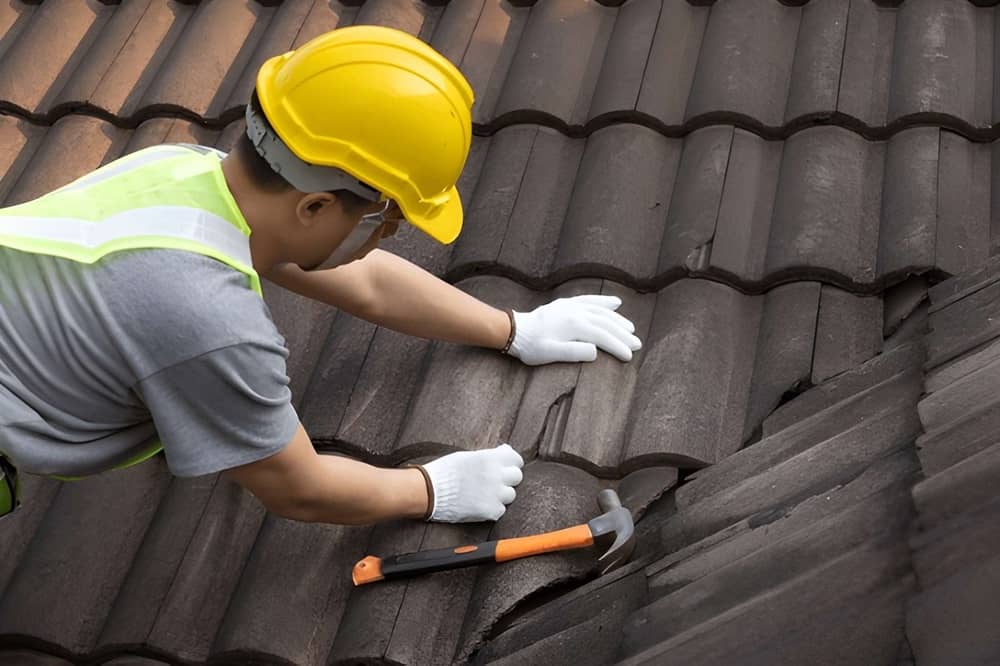
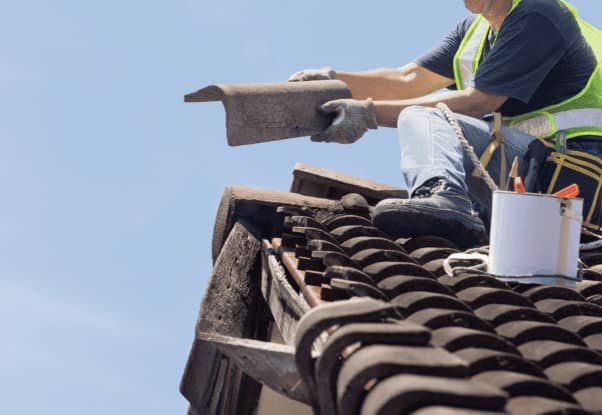
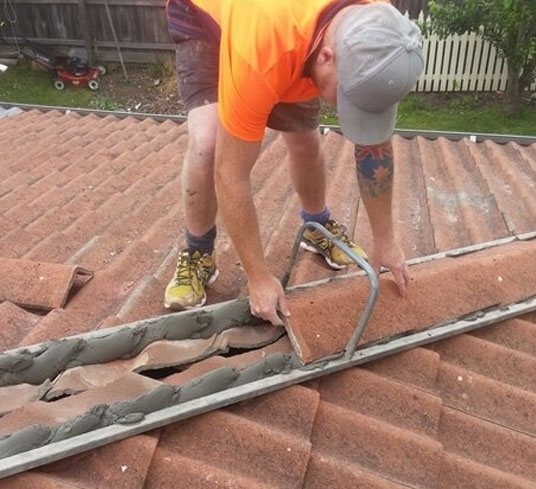
Roof bedding is the layer of cement mortar laid along ridgelines and hips of a tiled roof. It is the primary structural foundation that holds the tiles and ridge capping in place. It is formed with a cement and sand mixture to support the weight and positioning of ridge caps.
It is also a major weather barrier. The bedding fills the large gaps under the capping block and the tiles to block wind, pests and heavy rain from getting inside your roof cavity.
What Is Roof Pointing (and Why Does It Crack)?
Roof pointing is the outer layer that is applied over a roof’s ridge bedding to seal the ridge capping tiles. It cracks due to thermal expansion and contraction over the years, continuous exposure to the elements, aging roof bedding, and sometimes structural movement, such as foundation settling.
What Is Repointing, and How Is It Different from Flexible Pointing?
Repointing is the job of applying a fresh protective seal over the roof’s existing bedding to lock a roof cap in place. Repointing uses a rigid sand and mortar bedding mix. It can crack and crumble due to weathering and structural movement.
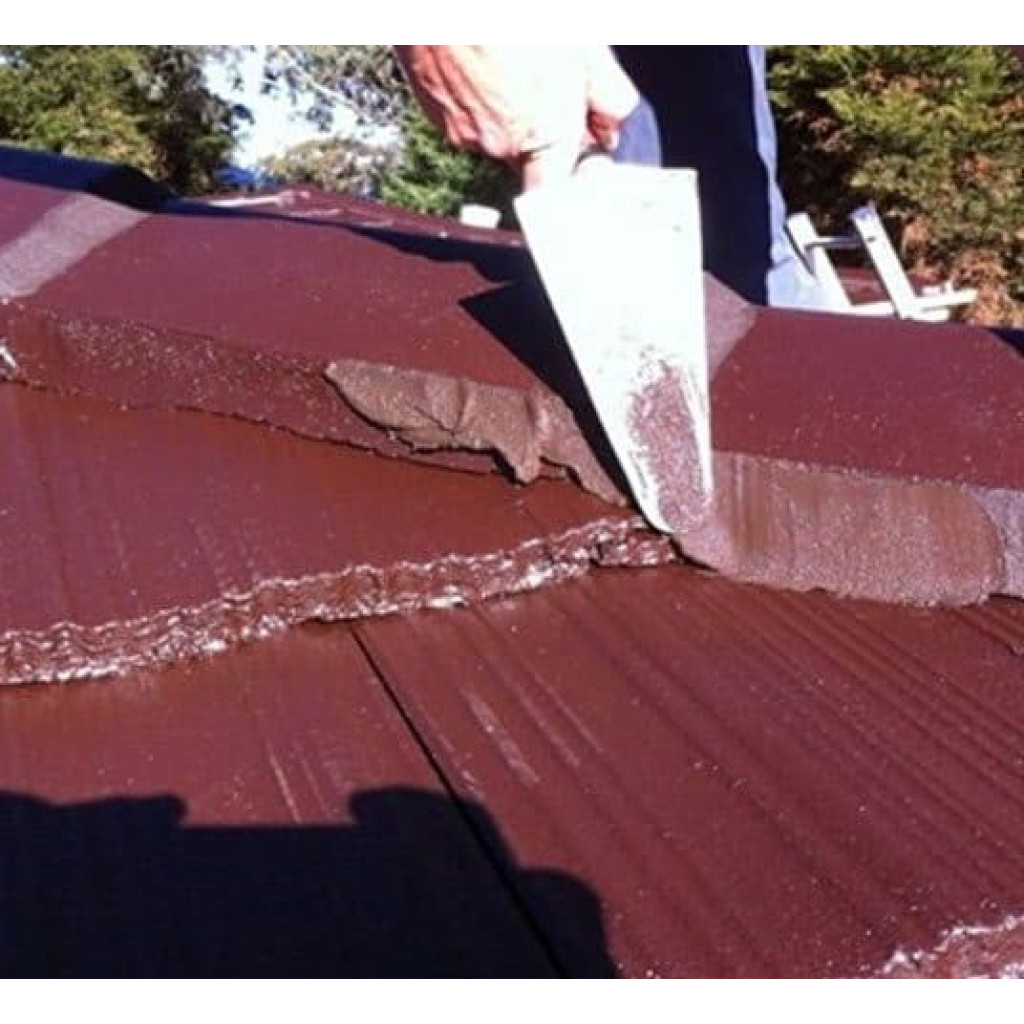
Flexible pointing uses an advanced polymer-based compound, rather than the rigid bedding mortar mix. The new formula stretches and moves with the roof’s natural thermal shifts. This reduces the cracking so it lasts longer than traditional pointing and gives the roof a superior waterproof seal.
Why Flexible Pointing Outperforms Traditional Pointing
Flexible pointing maintains a waterproof seal and survives thermal expansion and contraction much better than traditional pointing. It can last for up to 20 years without needing to be reapplied.
- Thermal Movement: Expands and contracts safely during hot and cold temperature swings without fracturing.
- Superior Adhesion: Sticks firmly to roof tiles and resists peeling or blowing out in heavy storms.
- Longevity: Lasts up to 20 or more years compared to rigid mortar, which often fails within 10 years.
- Weather Resistance: Prevents micro-cracks that let driving rain enter the roof cavity.
How to Tell Which One Your Roof Needs
Before a tradie tells you about all three in one sentence and confuses you, how can you understand what your roof needs? The first clue is looking at the condition of your mortar. If your tiles or roof caps are loose and the mortar is crumbling, then you will probably need rebedding. If your caps are firm, but the seals have cracks in the surface, then repointing is all you will need.
Signs Your Roof Needs Repointing
- Hairline or surface cracks appear in the outer mortar lines.
- Pieces of pointing flake off, but the underlying bed remains hard and intact.
- No loose ridge tiles are found when gently tested by hand.
- Small pieces of sand or debris wash out during heavy rain.
Signs Your Roof Needs Rebedding and Pointing
- Ridge caps rock, shift, or slide out of line when touched.
- Large chunks of the cement bedding base are missing, crumbling, or completely broken apart.
- Water stains show up on indoor ceilings after storms due to gaps under the ridge line.
- The roof has not had a full mortar overhaul in 10 to 15 years.
Get the Right Fix for Your Roof
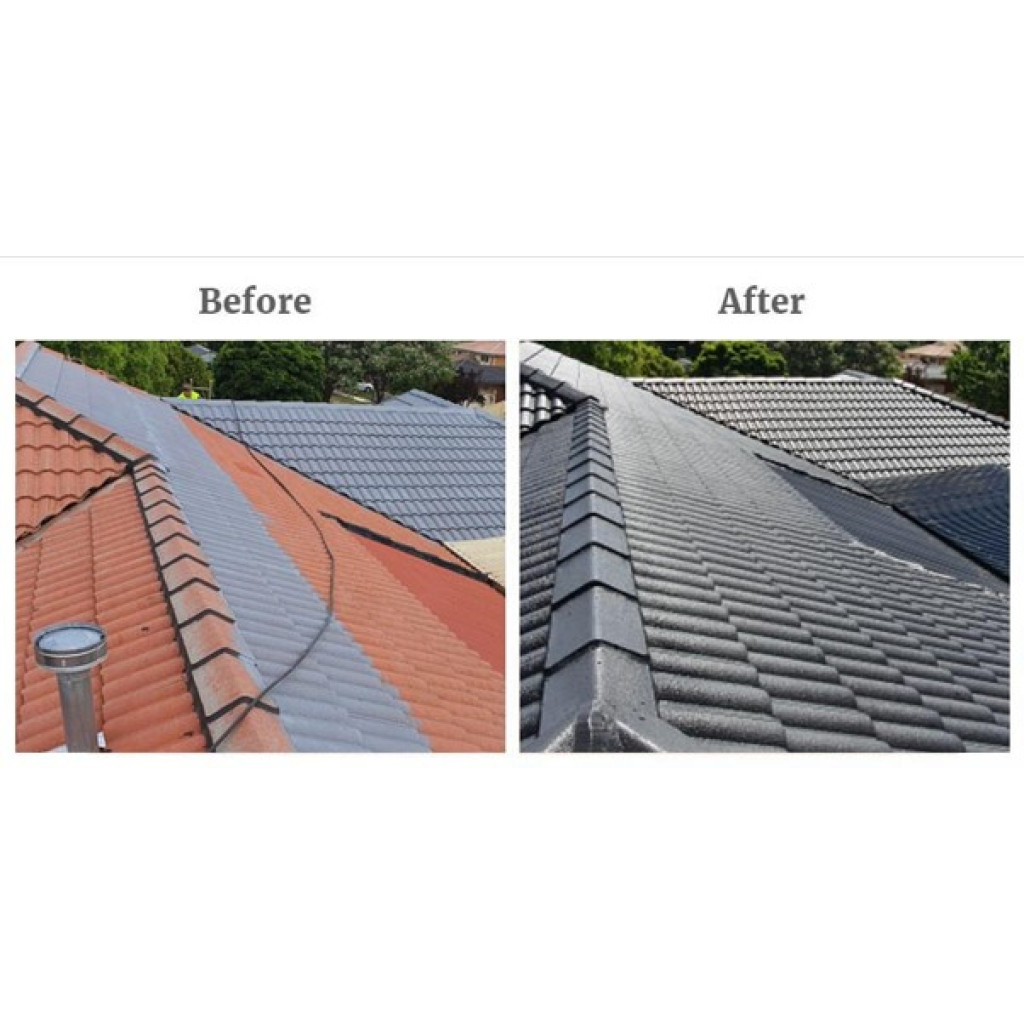
Bedding, pointing and repointing all sound similar, but they solve different problems, and getting it right the first time means you’re not paying for work your roof doesn’t actually need. If your ridge caps are loose or your mortar is crumbling, you’re likely looking at a full rebed. If the caps are solid but the seal is cracking, repointing with a flexible pointing system will do the job, and do it for a lot longer than traditional mortar.
Not sure which one applies to your roof? Our team can take a look and tell you exactly what’s needed, no guesswork, no upselling. We provide roof restoration in Carrum Downs and roof restoration in Pakenham, along with roof painting in Hampton Park, Pakenham and Cranbourne. Get in touch for a free, no-obligation quote and we’ll get your roof sorted properly.
FAQs
Can I get my roof repointed without a full rebed?
Yes, if your ridge caps are still firm and only the outer seal has cracked, repointing alone will usually do the job. Rebedding is only needed when the underlying mortar itself is crumbling or the caps have come loose.
How long does flexible pointing last compared to traditional pointing?
Traditional rigid pointing often cracks and needs replacing within about 10 years. Our flexible pointing is designed to move with your roof’s natural thermal expansion, and can last up to 20 years or more without needing to be reapplied.
Do you charge a callout fee to inspect my roof?
No, we offer a $0 callout fee with fast, on-site response, so you can get an accurate assessment without any upfront cost.
Do you offer a guarantee on rebedding and pointing work?
Yes, our workmanship is backed by a 12-year guarantee, so you’re covered well beyond the initial job.
What suburbs do you provide rebedding and pointing services in?
We service Melbourne’s south-east, including Hampton Park, Pakenham, Cranbourne, Carrum Downs, Berwick, Narre Warren, Frankston, Mornington and the surrounding areas.
Will rebedding and repointing fix a roof leak?
If the leak is coming from cracked or failed bedding and pointing along your ridgelines, then yes, this is usually the fix. If the leak is coming from elsewhere on the roof, our team can identify the actual source during an inspection rather than assuming it’s a ridge issue.
How do I book an inspection?
You can call our team directly or fill out the enquiry form on our website, and we’ll get back to you promptly with a free, no-obligation quote.